No products in the cart.






This website uses cookies to improve your experience. We'll assume you're ok with this, but you can opt-out if you wish. Read More


Have you ever wondered how hurricanes are named? The process of How Are Hurricanes Named is not random; it follows a structured system that ensures clarity and efficiency in tracking and communicating information about these massive storms. This article will explore the origins, procedures, and significance of hurricane naming. Hurricanes are among nature’s most powerful and destructive forces, and their names often become ingrained in history due to the devastation they bring.
Understanding how hurricanes are named helps us appreciate the meticulous process behind it and the importance of effective communication during such events.
Before adopting a formal naming system, hurricanes were often identified by the year and location of impact. For example, a storm might be called the “Great Galveston Hurricane of 1900.” However, this method proved cumbersome, mainly when multiple storms occurred in the same year. To address this issue, meteorologists began experimenting with different naming conventions.
In the early 20th century, hurricanes were sometimes named after the latitude and longitude where they formed. However, this method was complicated for the general public to follow. During World War II, military meteorologists started using women’s names to refer to storms in the Pacific, as it was a more straightforward and effective way to communicate.
In 1953, the United States Weather Bureau (now part of the National Hurricane Center) officially adopted a system using women’s names for hurricanes. This practice continued until 1979 when the World Meteorological Organization (WMO) included both male and female names in a six-year rotating list.
The World Meteorological Organization (WMO) maintains list of hurricane names for the Atlantic and Eastern Pacific Oceans. Each list contains 21 names, as the letters Q, U, X, Y, and Z are excluded due to the limited number of suitable names. These lists are used rotating, meaning that a list from 2024 will be used again in 2030.
Hurricane names are assigned in alphabetical order at the beginning of each season. The names alternate between male and female, ensuring a balance in representation. For example, if the first season storm is named “Alice,” the second will have a male name, such as “Bob.”
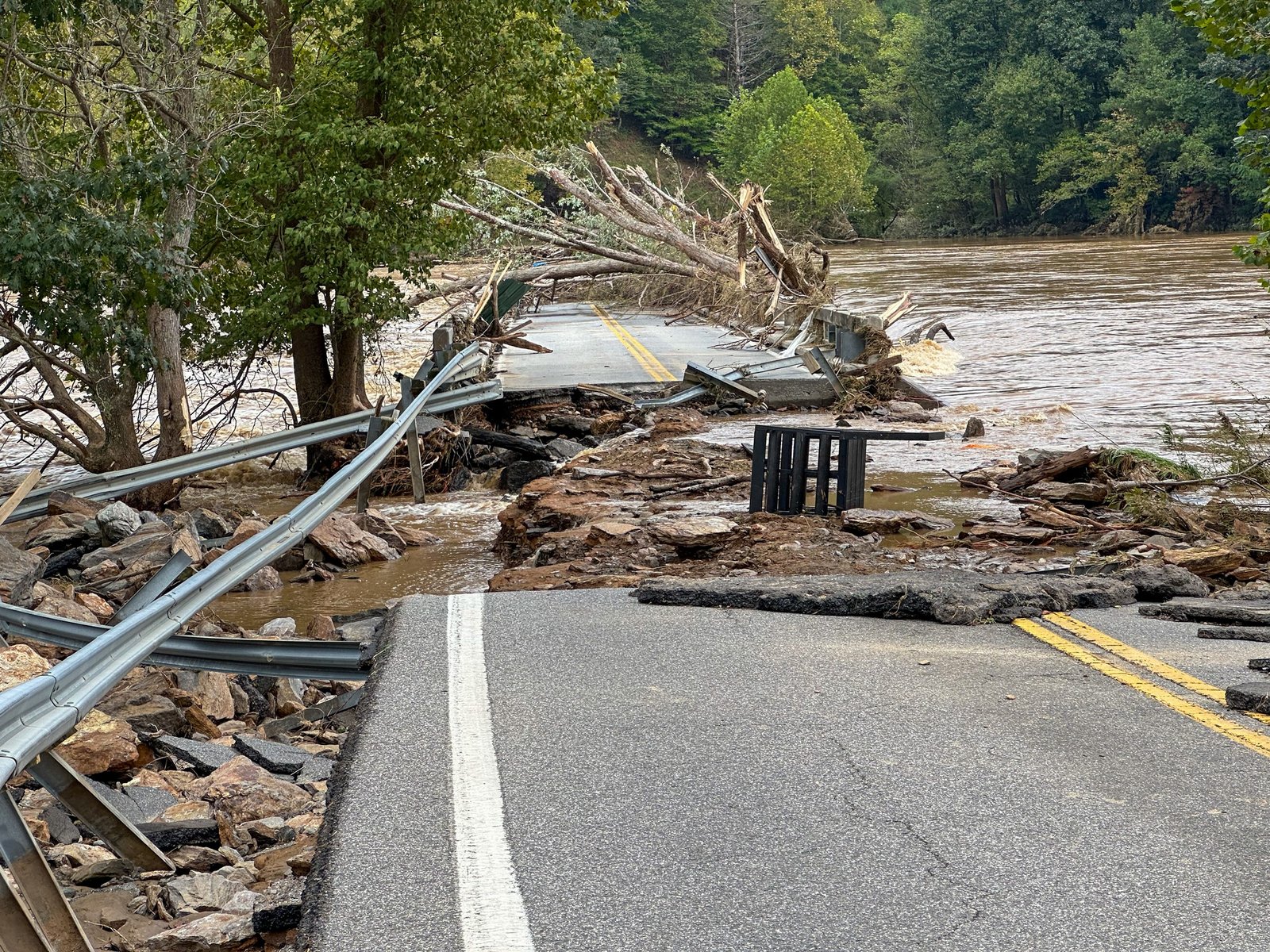
When a hurricane is particularly deadly or costly, its name is retired from the list and replaced with a new one. This practice prevents confusion and shows respect for the communities affected by severe storms.
Some notable retired hurricane names include:
When a name is retired, the WMO committee selects a new name beginning with the same letter.
Hurricane seasons can be unpredictable, and more than 21 named storms can occur in especially active years. Before 2021, the Greek alphabet (Alpha, Beta, Gamma, etc.) was used when the regular list was exhausted. However, this is confusing, especially with similarly named storms occurring in the same season. In response, the WMO replaced the Greek system with a supplemental list of names that can be used if necessary.
The primary reason for naming hurricanes is communication. A clear and recognizable name helps meteorologists, emergency officials, and the public efficiently track and prepare for storms. When a hurricane is named, it:
The name “Emily” has been assigned to Atlantic tropical cyclones six times, making it one of the most frequently used names in the Atlantic basin. Notably, the 1987 and 2005 iterations of Hurricane Emily were particularly intense, yet the name was not retired and remains on the naming list.
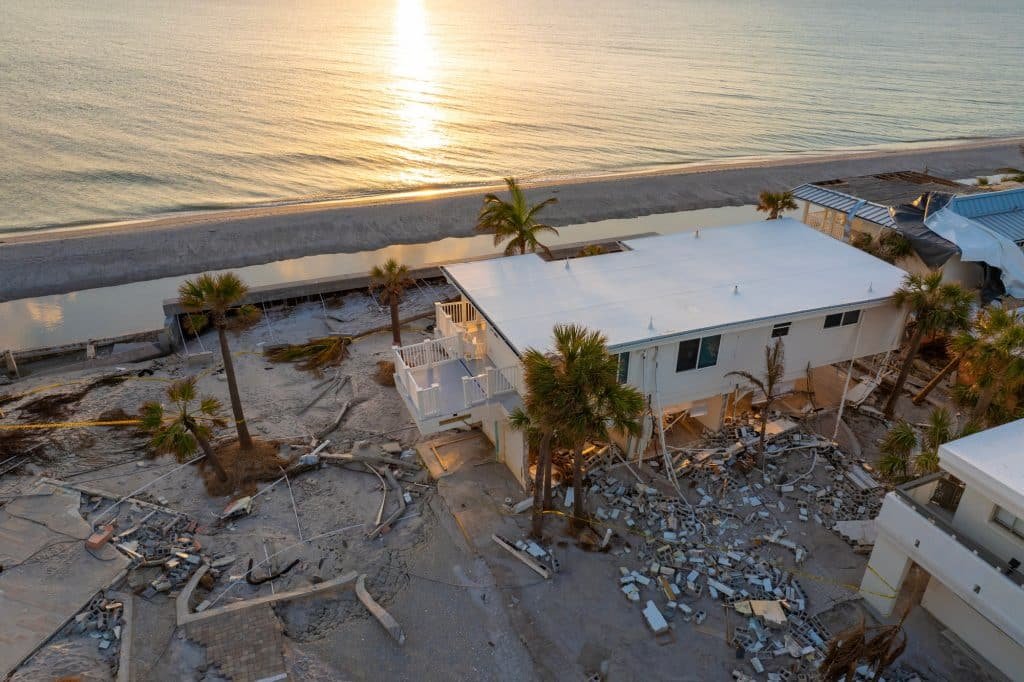
In terms of name retirements, names starting with “I” have been retired 13 times, more than any other letter. The most recent “I” name to be retired was “Ian” in 2022, following its devastating impact on southwest Florida.
13newsnow.com
The retirement of a hurricane name occurs when a storm is so deadly or costly that future use of its name would be inappropriate for reasons of sensitivity and historical significance.
It’s important to note that while some names have been used multiple times, the World Meteorological Organization (WMO) manages rotating lists of names, and names are reused every six years unless retired.
The name “Emily” has been assigned to Atlantic tropical cyclones six times, making it one of the most frequently used names in the Atlantic basin. Notably, the 1987 and 2005 iterations of Hurricane Emily were particularly intense, yet the name was not retired and remains on the naming list.
In terms of name retirements, names starting with “I” have been retired 13 times, more than any other letter. The most recent “I” name to be retired was “Ian” in 2022, following its devastating impact on southwest Florida.
The retirement of a hurricane name occurs when a storm is so deadly or costly that future use of its name would be inappropriate for reasons of sensitivity and historical significance.
It’s important to note that while some names have been used multiple times, the World Meteorological Organization (WMO) manages rotating lists of names, and names are reused every six years unless retired.
Hurricane naming is an essential tool in meteorology. It allows for efficient communication, preparedness, and historical tracking of storms. While the system has evolved over the years, its purpose remains to ensure clarity in forecasting and public safety.
The next time you hear a hurricane name on the news, you’ll know it’s not chosen randomly but rather through a well-structured process designed to help save lives and minimize damage.
If you found this article interesting, share it with others and stay informed about hurricane preparedness and safety measures!
What name has been used more often for hurricanes?
It’s important to note that while some names have been used multiple times, the World Meteorological Organization (WMO) manages rotating lists of names, and names are reused every six years unless retired.