


This website uses cookies to improve your experience. We'll assume you're ok with this, but you can opt-out if you wish. Read More
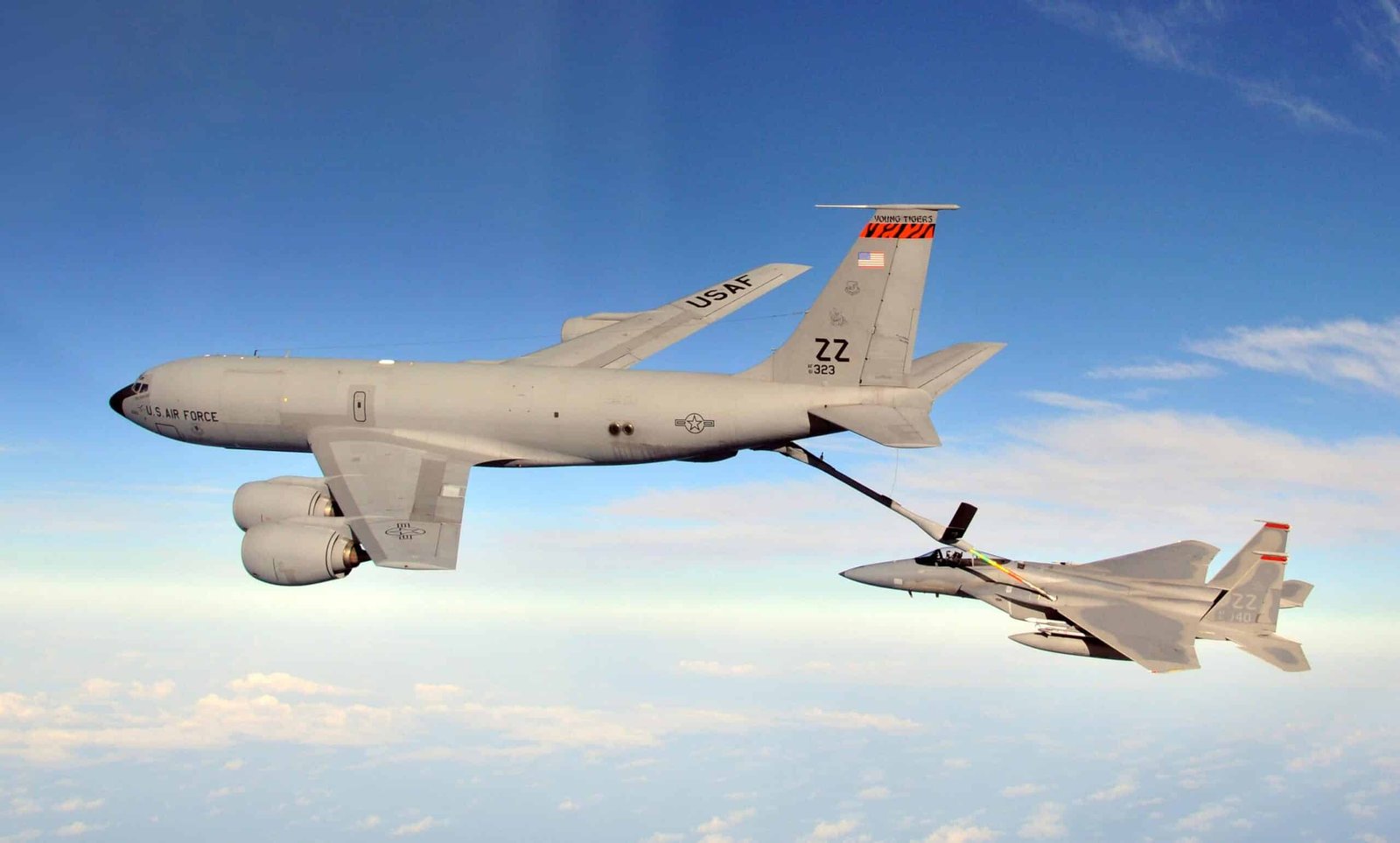
The History of the KC-135 Stratotanker
Introduction to the KC-135 Stratotanker
The KC-135 Stratotanker is a military aerial refueling aircraft that has served as a vital component of the United States Air Force (USAF) since its introduction in the 1950s. Designed by Boeing, this aircraft was created primarily to extend the operational range and endurance of military fighter and bomber aircraft by providing air-to-air refueling capabilities. Its ability to transfer fuel in-flight has significantly enhanced the flexibility and responsiveness of air operations, enabling U.S. forces to conduct long-range missions without the need for immediate land-based refueling stations.
The KC-135 Stratotanker’s significance extends beyond mere capability; it has been a critical asset in numerous military operations throughout its service history. From the Cold War to modern conflicts, this aircraft has played a crucial role in supporting global military engagements. Its ability to refuel multiple aircraft simultaneously allows for sustained air power, which is invaluable during extended conflicts and operations.
Engineered for rapid deployment and a wide operational range, the KC-135 has adapted to various mission environments. The aircraft can operate in diverse conditions, making it an essential component of strategic airlift and refueling operations. Its versatility is apparent, as it has also been utilized for cargo transport and medical evacuation roles in addition to its primary function as a tanker.
In summary, the KC-135 Stratotanker has established itself as a cornerstone of military aviation, facilitating the effective coordination of air missions and contributing significantly to the success of U.S. military operations. Its influence continues to be felt, as modern adaptations and upgrades ensure its relevance in contemporary warfare.
Development and Design Evolution
The history of the KC-135 Stratotanker’s development reflects the dynamic needs of the U.S. Air Force during the Cold War era. In the early 1950s, military leaders recognized the necessity for a strategic air refueling aircraft to enhance bomber and fighter operations. The Air Force set specific requirements for a new aircraft capable of refueling jets in flight, which would ultimately lead to the design of the KC-135.
Boeing was selected to develop the KC-135 based on its previous experience and expertise in aircraft design. The aircraft’s design, which commenced in 1954, was heavily influenced by the Boeing 707 commercial airliner, utilizing a modified version of its fuselage. The KC-135 features a high-wing configuration with four turbofan engines mounted under the wings, which allows for increased fuel efficiency and improved range.
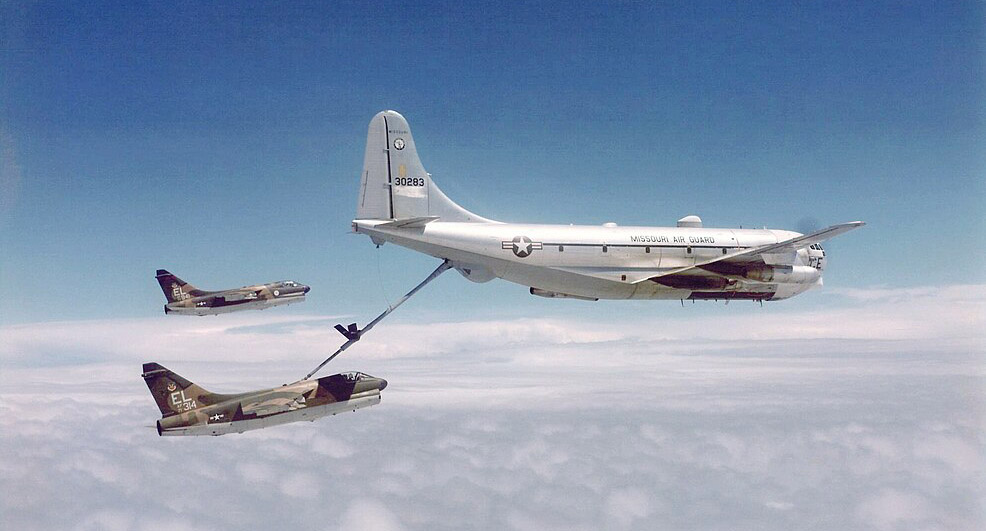
Incorporating advanced technology for its time, the KC-135 was equipped with a flying boom refueling system, allowing it to transfer fuel to multiple aircraft simultaneously. This system not only streamlined operations but also maximized mission capabilities. The aircraft’s design ensured stability in flight, as well as compatibility with various U.S. military aircraft that required refueling, which included strategic bombers and fighter jets.
Throughout the decades, the KC-135 has undergone several modifications to improve its performance and expand its operational lifespan. Avionics upgrades, enhanced navigation systems, and improved fuel management technologies have allowed the aircraft to meet the evolving demands of modern warfare. Additionally, the KC-135 has been configured for various roles beyond aerial refueling, including cargo transport and medical evacuation, reflecting the adaptability of its design.
Thus, the design evolution of the KC-135 Stratotanker has played a crucial role in maintaining air superiority, showcasing the importance of innovation in military aerospace engineering.
Operational History and Notable Missions
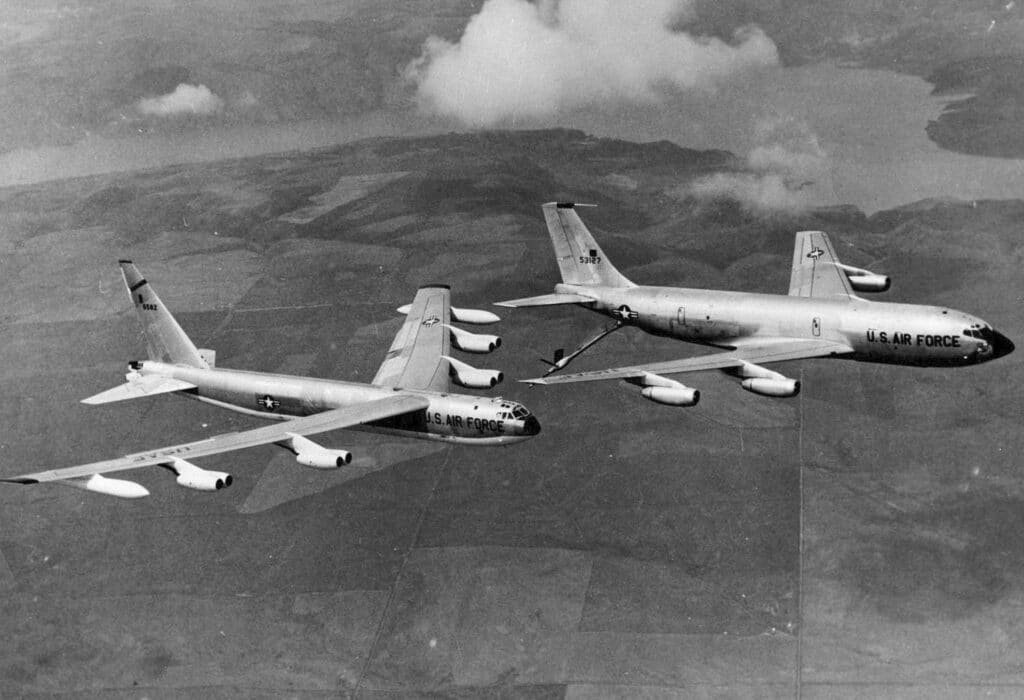
The KC-135 Stratotanker has played a pivotal role in the United States Air Force’s aerial refueling capabilities since its introduction in the late 1950s. With its extensive operational history, it has supported a myriad of military conflicts, including the Vietnam War, the Gulf War, and contemporary operations in the Middle East.
During the Vietnam War, the KC-135 proved indispensable for extending the range and endurance of U.S. aircraft. Its ability to refuel multiple aircraft types enabled long-range missions that were crucial for strategic bombing campaigns and reconnaissance operations. Notably, the use of the KC-135 during Operation Rolling Thunder facilitated sustained air operations over North Vietnam, allowing fighter jets to reach their targets efficiently.
The aircraft further demonstrated its versatility in the Gulf War, where its contributions were vital to the success of Operation Desert Storm. By providing timely refueling for fighter jets and bombers, the KC-135 ensured that coalition forces could engage in extended combat without frequent returns to base. This capability not only enhanced operational tempo but also allowed for the execution of complex missions behind enemy lines.
In addition to these significant conflicts, the KC-135 continues to serve in modern-day operations, including those in Afghanistan and Iraq. Its ability to support both air-to-air refueling and cargo transport has rendered it an essential asset in the U.S. military’s arsenal. The Stratotanker has adapted to meet the demands of evolving combat scenarios, ensuring that it remains relevant on the contemporary battlefield.
The operational history of the KC-135 Stratotanker illustrates its unparalleled contribution to air power and mission success, showcasing its ability to support a range of military operations over decades of service.
Legacy and Future of the KC-135
The KC-135 Stratotanker has established itself as a pivotal asset in the U.S. Air Force since it first took to the skies in 1956. With its primary role in air refueling, the aircraft has not only contributed to mission success in conflicts but also been instrumental in enhancing the operational range and flexibility of various military aircraft. Its legacy can be observed in both the strategic capabilities it has provided to the U.S. military and the influence it has had on air refueling technology.
As of now, the KC-135 is set to remain in service for several more years, though it faces challenges such as aging airframes and the introduction of newer refueling platforms, like the KC-46 Pegasus. Even with these challenges, the KC-135 remains relevant; its proven fuel-delivery capability ensures it remains a preferred choice for many air operations. Current operational status shows that while newer aircraft like the KC-46 are beginning to take over some missions, the KC-135 retains a vital role in supporting global operations, NATO missions, and contingency requirements.
Looking ahead, plans to retire the KC-135 have been discussed within the Air Force, but definitive timelines remain fluid. Factors influencing retirement include budget allocations and strategic assessments of air refueling needs. Until a complete transition to newer refueling systems is complete, the KC-135 will likely continue to participate in key military operations, ensuring that the legacy of this aircraft endures for years to come. The aircraft’s impact on military strategy cannot be understated; it has shaped the dynamics of air warfare, optimized logistic capabilities, and fostered international partnerships, reinforcing not only the U.S. Air Force’s role but also the collaborative efforts of allied nations in joint operations.
SHARE THIS POST
STAY CONNECTED