




Flatsome Elements
Flatsome is more than a theme. It's a framework for creating amazing Websites. Here is a collection of our highly customisable elements.
American Aircraft Used in WWI (1917–1918) by the United States Army Air Service were still in their infancy and relied heavily on aircraft designed and built by its allies, especially France and Britain. American aviation production was ramping up, but relatively few U.S.-designed combat aircraft reached the front before the war ended. The legacy of American Aircraft Used in WWI influenced future aircraft design and military aviation strategies.
As the war progressed, the need for a robust domestic aviation industry became increasingly clear. The Army Air Service began developing its own designs, focusing on improving performance and reliability, including innovations related to American Aircraft Used in WWI. This effort laid the groundwork for future advancements in military aviation. After the war, many of these innovations would also influence the development of commercial aviation. The end of the conflict marked a transition period in which lessons learned would shape the future of air power in the United States.
The importance of American Aircraft Used in the First World War cannot be overstated, as it set the stage for the evolution of military aviation.
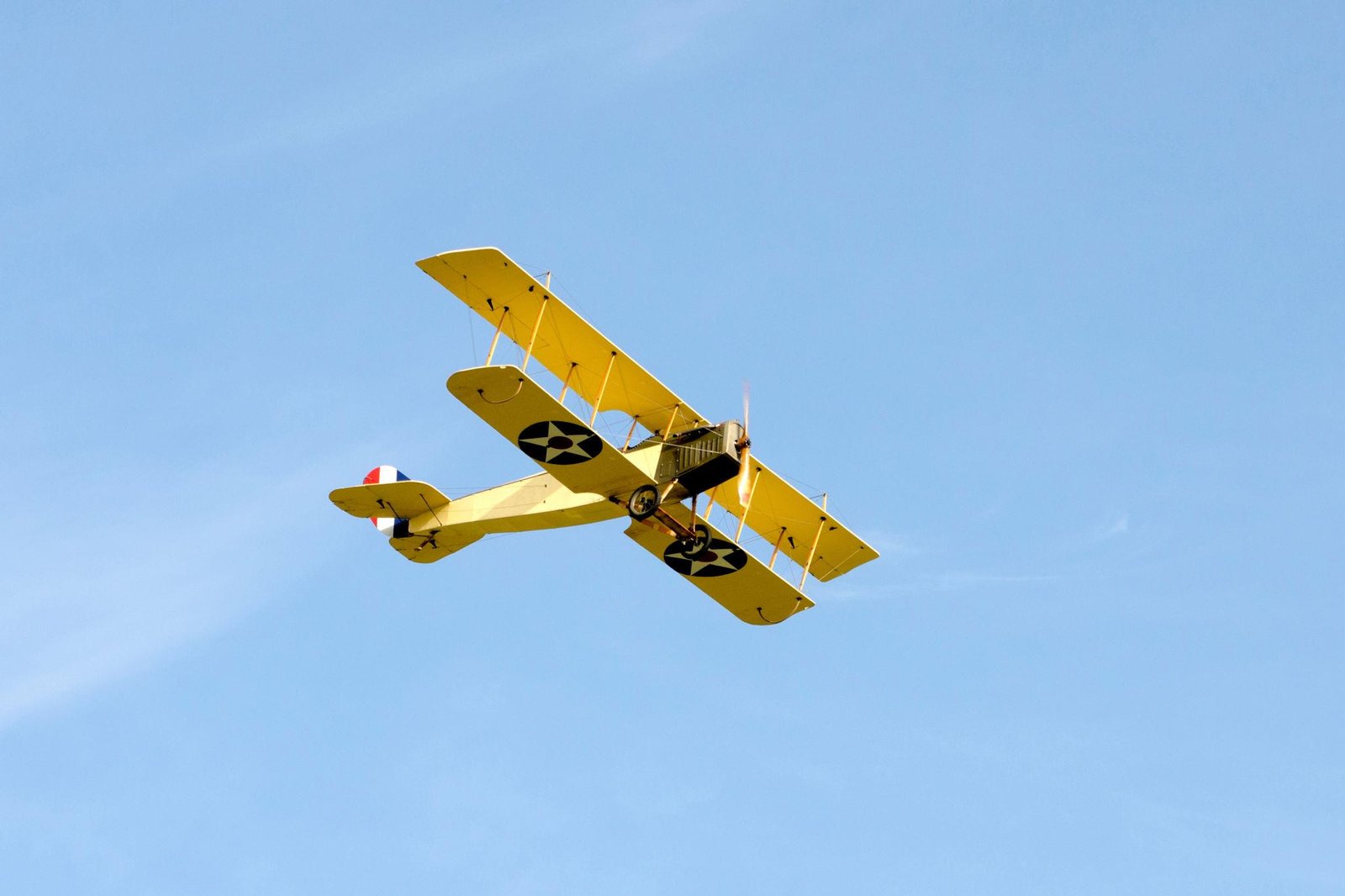
The most famous aircraft used by the United States during the era, the “Jenny,” was primarily used for pilot training. Thousands of U.S. aviators learned to fly in this aircraft.

Role: Trainer
Manufacturer: Curtiss Airplane Company
The DH-4 was the most important combat aircraft built in America during WWI. It was a British design manufactured in the United States and powered by the American Liberty engine.
The DH-4 played a crucial role in numerous missions during the war, showcasing the effectiveness of American engineering. Its versatility allowed it to be adapted for various roles, including reconnaissance and bombing. As production ramped up, the aircraft became a symbol of American industrial capability. Post-war, many DH-4s were converted for civilian use, further blending military and commercial aviation developments. This transition not only expanded the aviation market but also influenced future aircraft designs and technologies.
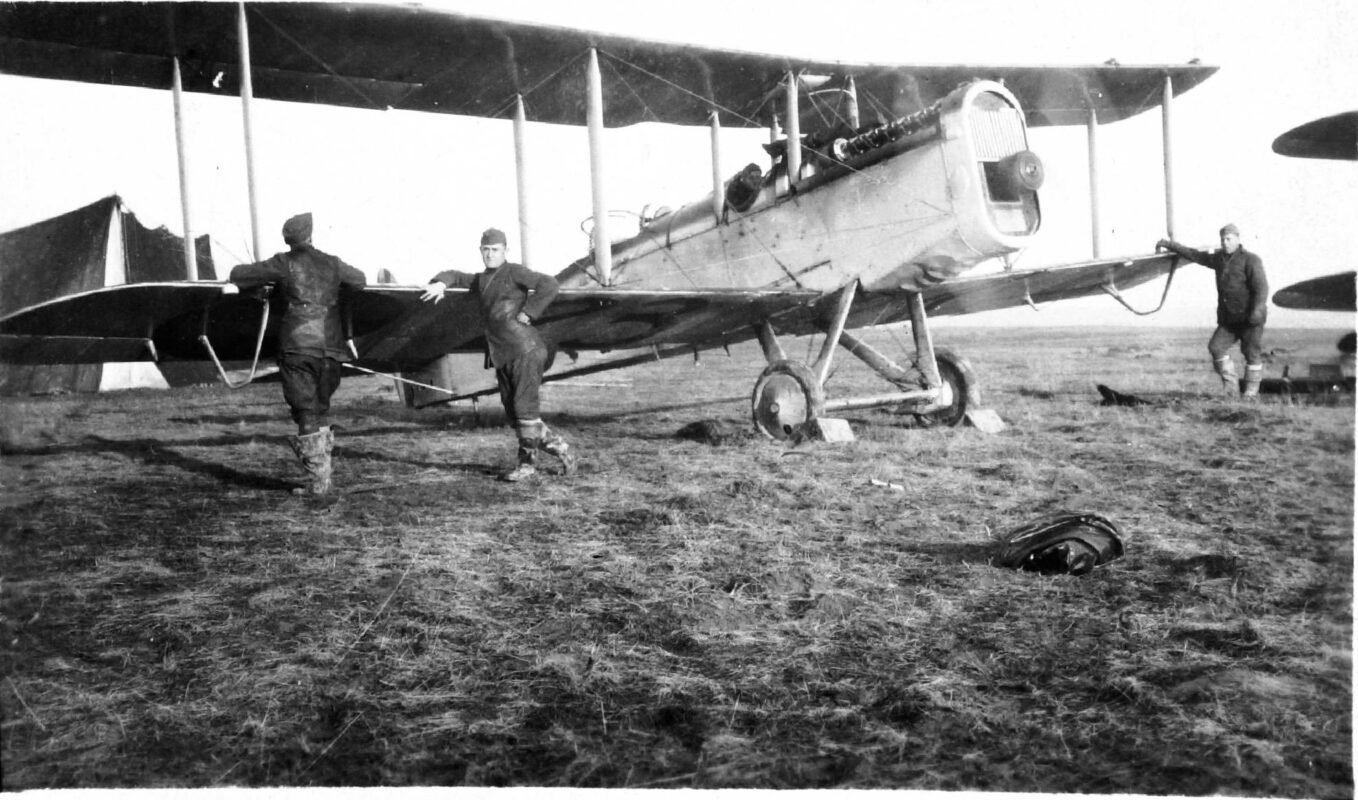
Role: Reconnaissance and light bomber
Notable: The only U.S.-built combat aircraft to see extensive American service in the war.
Since U.S. aviation manufacturing was not yet fully developed, most American combat squadrons flew French aircraft.
American pilots gained valuable experience flying foreign aircraft, particularly the French SPAD S.XIII, which was renowned for its speed and maneuverability. The collaboration with allied forces showcased the importance of international partnerships in military aviation. As American manufacturing capabilities improved, there was a gradual shift towards homegrown designs, leading to increased confidence in domestic production. This evolution laid the groundwork for the future dominance of the U.S. aviation industry in both military and civilian sectors. Ultimately, the lessons learned during this period would shape the trajectory of American air power for decades to come.
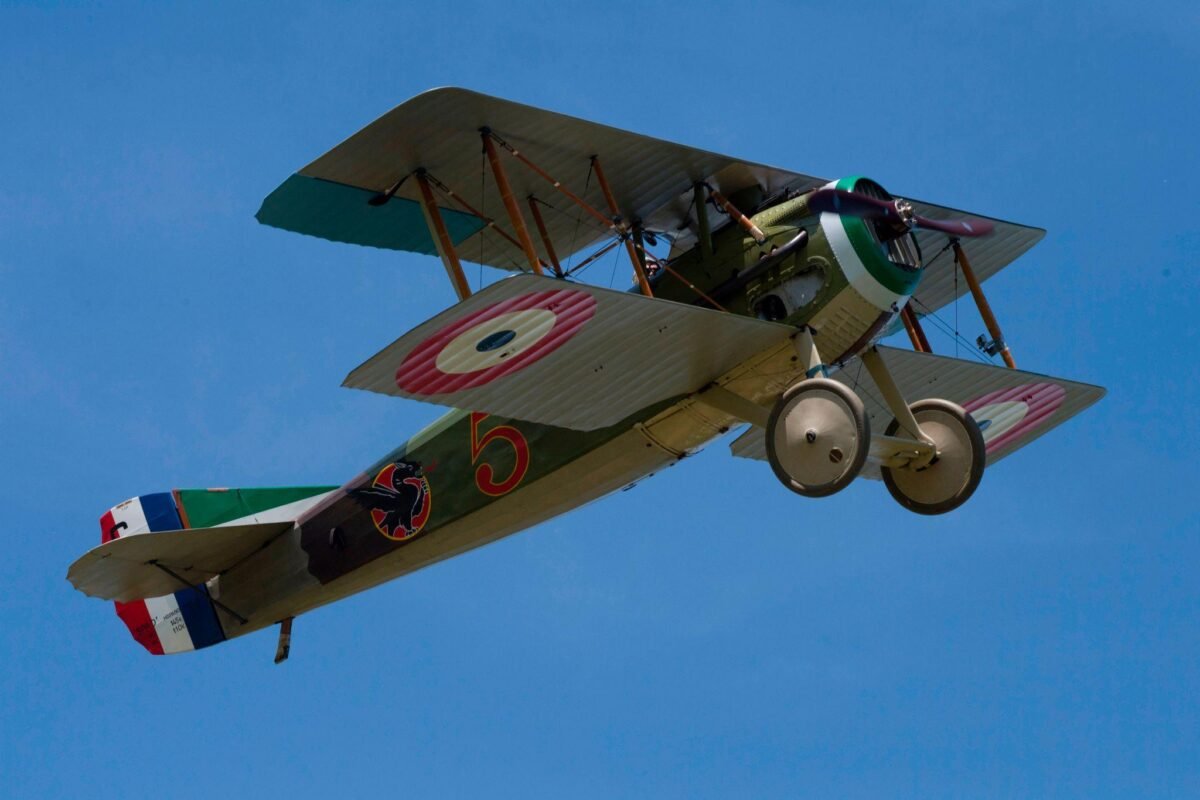
The primary fighter used by American pursuit squadrons.
Role: Fighter
Famous Pilot: Eddie Rickenbacker, America’s top WWI ace with 26 victories.
The SPAD S. XIII became a symbol of American aviation prowess and a key asset in the skies over Europe. Its advanced design allowed pilots like Eddie Rickenbacker to execute complex aerial maneuvers and engage with enemy aircraft effectively. The success of the SPAD also prompted further innovations in aircraft design, influencing future generations of fighters. As American pilots returned home, they brought with them not only tactical insights but also a renewed enthusiasm for aviation that would spur industry growth. This period marked the beginning of a new era in air combat, laying the foundation for the technological advancements that would define the following decades.
Nieuport 28, the first fighter flown by many American units in combat.
The Nieuport 28 quickly gained a reputation for its agility and speed, making it a favorite among American pilots. Its distinctive design featured a sesquiplane structure, offering enhanced maneuverability during dogfights. Many pilots cherished their time in the Nieuport, as it provided a thrilling experience in the chaotic skies of World War I. The aircraft’s role in various battles helped solidify the United States’ presence in aerial warfare and showcased the effectiveness of American-trained pilots. This early experience would prove invaluable as the nation prepared for future conflicts in the skies.
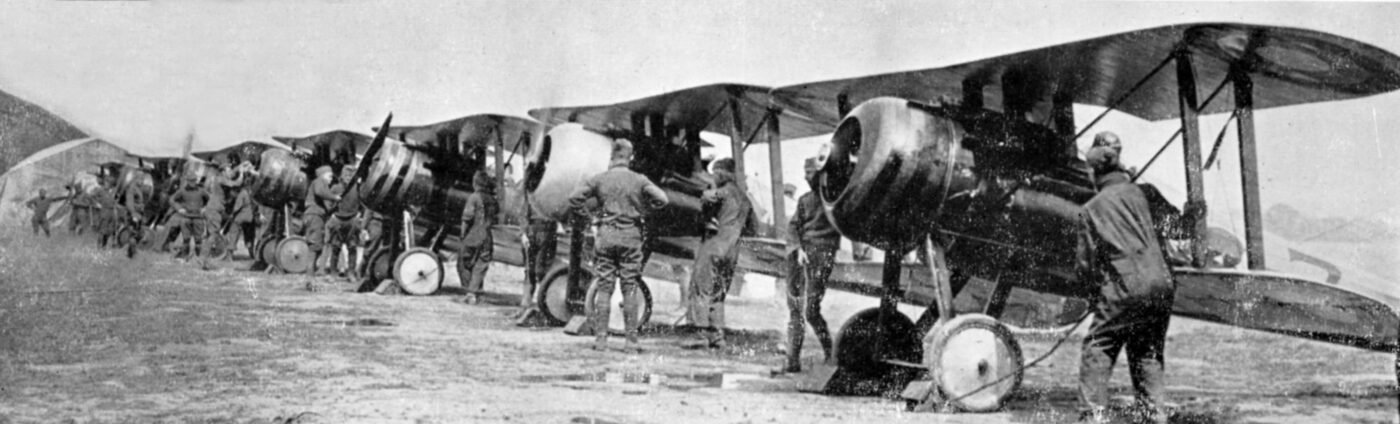
Role: Fighter
Some American aviators, particularly those serving with British units, flew the famous Camel.
The Sopwith Camel, known for its powerful engine and distinctive twin-gun setup, quickly became a symbol of British aerial prowess. Pilots admired its ability to outmaneuver enemy aircraft, which contributed to its high kill ratio during the war. Its design also posed challenges, as the Camel’s handling could be tricky for less experienced pilots. Nevertheless, many American flyers embraced the challenge, enhancing their skills and contributing to the overall success of Allied air operations. The lessons learned from flying the Camel set the stage for advancements in fighter aircraft in the years to come.
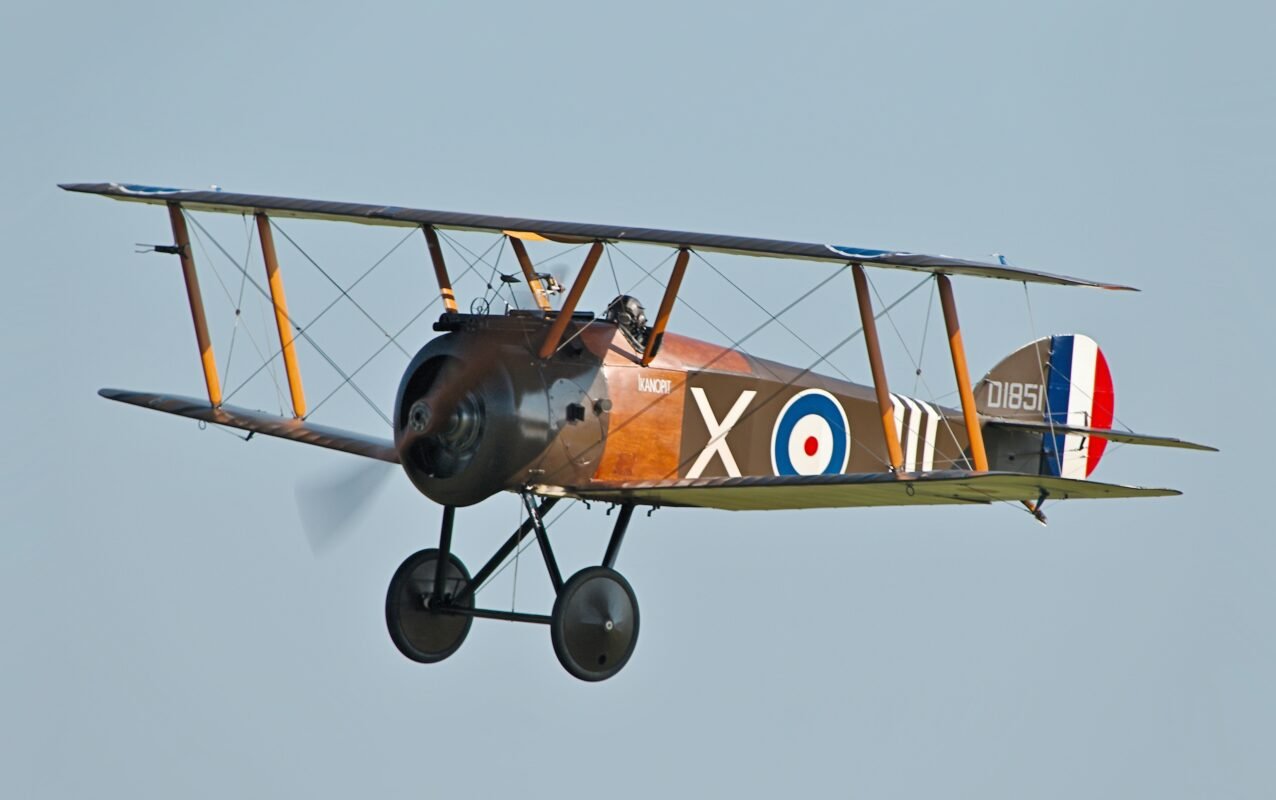
Role: Fighter
Breguet 14 was widely used by American observation squadrons.
The Breguet 14 emerged as a versatile aircraft, excelling in both reconnaissance and bombing missions. Its robust design and impressive range allowed American squadrons to gather crucial intelligence while supporting ground troops. Pilots appreciated its stability and ease of handling, making it an effective choice for a range of operational needs. As the war progressed, the Breguet 14 demonstrated its adaptability, becoming a reliable asset in the evolving landscape of aerial warfare. This aircraft’s contributions were vital in shaping the tactics and strategies employed by the Allies.
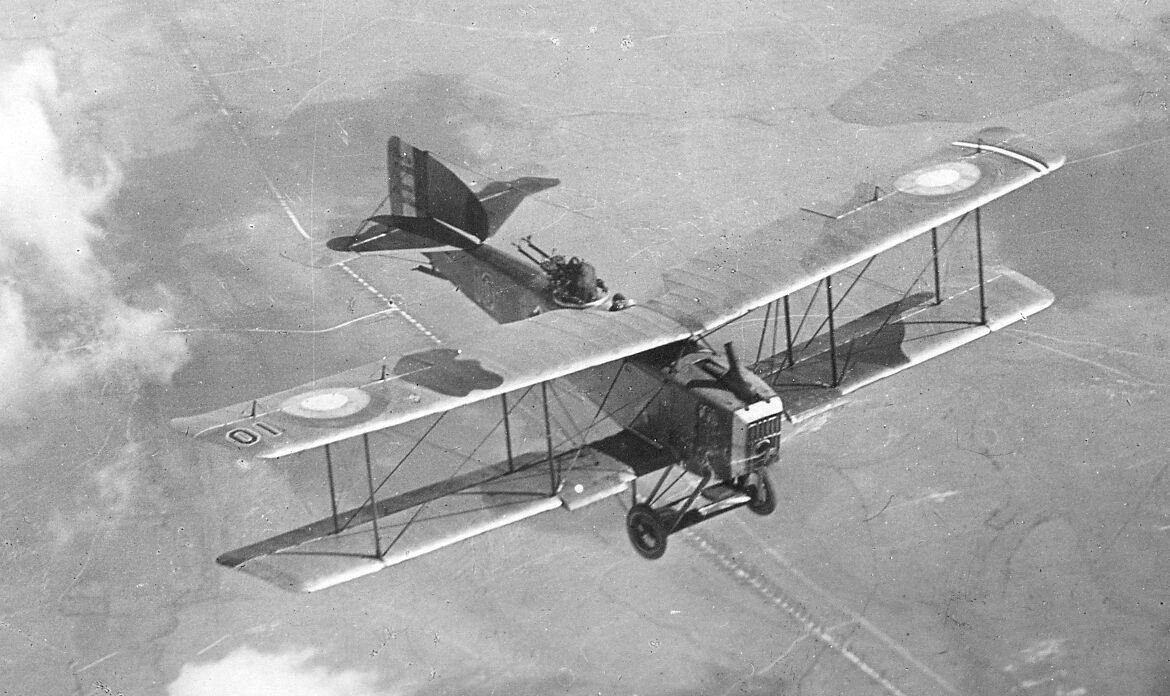
Role: Reconnaissance and bomber
Salmson 2A2 was one of the most successful observation aircraft used by American forces.
The Salmson 2A2 was renowned for its excellent performance in reconnaissance missions, allowing pilots to accurately assess enemy positions. Its innovative design featured a powerful engine and a unique pusher configuration, which improved visibility for the crew. As a result, it became a favorite among aerial observers who relied on its capabilities to relay critical information. The aircraft also carried a light bomb load, enabling it to conduct bombing runs when necessary, further enhancing its operational versatility. Ultimately, the Salmson 2A2 played a significant role in the success of American air operations during the conflict.
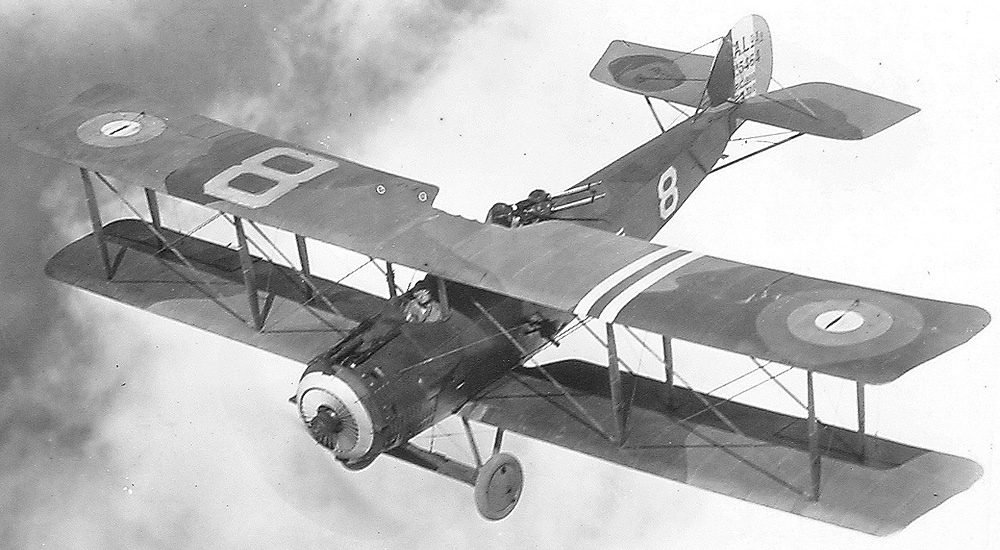
Role: Artillery spotting and reconnaissance
Perhaps America’s most significant aviation contribution to WWI was the Liberty L-12 engine. This powerful V-12 engine was installed in thousands of aircraft, especially the DH-4.

Flatsome is more than a theme. It's a framework for creating amazing Websites. Here is a collection of our highly customisable elements.