Astounding Aircraft and Their Roles in the USAF
Aircraft and Their Roles in the USAF
Aircraft and Their Roles in the USAF boast an impressive, extensive fleet of aircraft designed and optimized for specialized roles and missions. First and foremost, we have the ever-vigilant air superiority fighters entrusted with safeguarding the skies.
These fighters ensure the nation’s security.
At the forefront of this critical mission, the mighty F-22 Raptor stands tall, renowned for its unmatched stealth capabilities and superior maneuverability. This fifth-generation fighter aircraft is truly a force to be reckoned with, empowering the USAF to maintain air dominance with its advanced radar systems and state-of-the-art avionics.
Equally important in military aircraft are formidable multirole fighters, versatile assets capable of executing a wide range of missions in air and ground combat scenarios. Among these sophisticated aircraft, the F-35 Lightning II stands out as a shining example, embodying the United States Air Force’s cutting-edge technology.
With its state-of-the-art stealth capabilities, advanced sensors, and exceptional combat performance, the F-35 continues to redefine the modern airpower concept.
The F-35 Lightning II represents a significant leap forward in military aviation technology, incorporating innovative features and systems that provide unmatched precision and versatility on the battlefield.
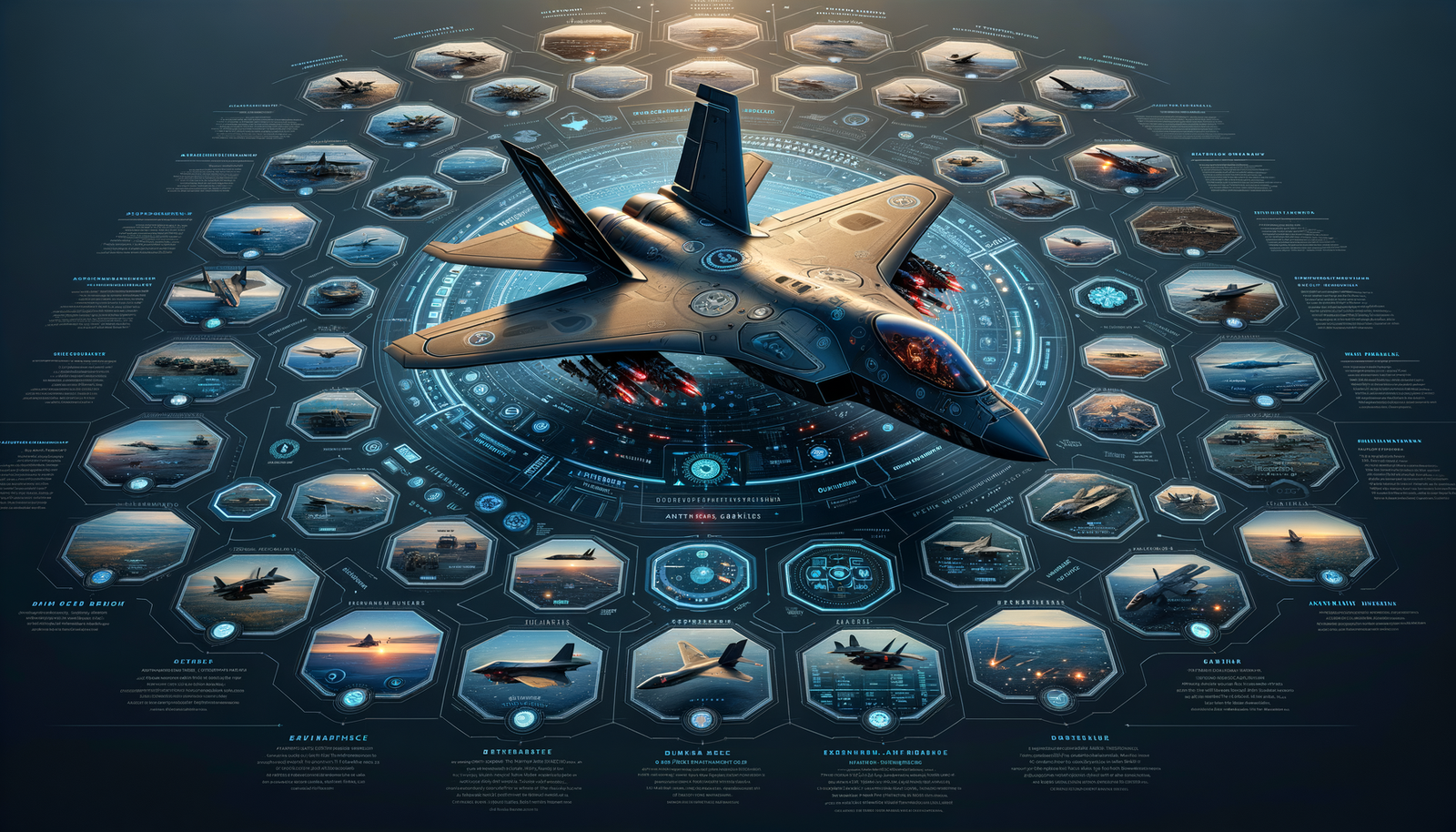
- Fighter Aircraft: These are primarily designed for air superiority, close air support, and interception missions.
- Examples: F-15 Eagle, F-16 Fighting Falcon, F-22 Raptor, F-35 Lightning II
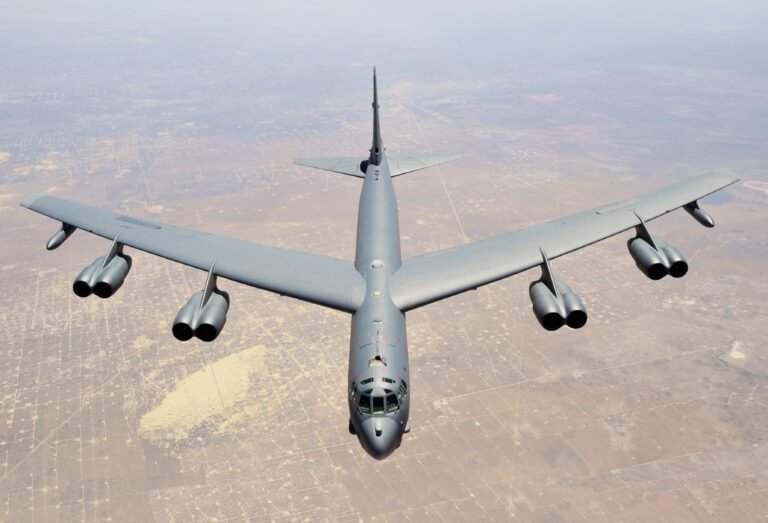
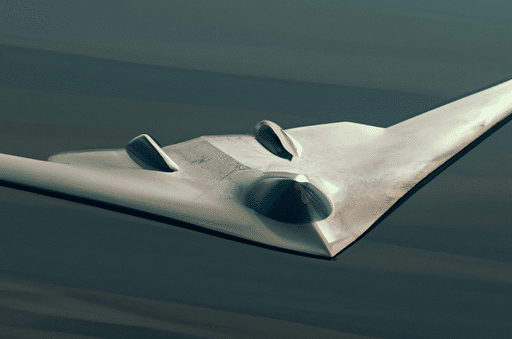
- Bomber Aircraft: Designed to deliver ordnance against ground targets from strategic and tactical distances.
- Examples: B-1B Lancer, B-2 Spirit, B-52 Stratofortress
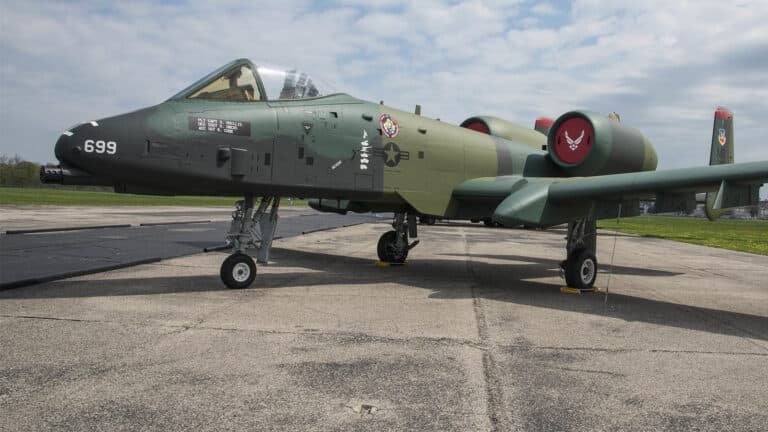
- Attack Aircraft: Primarily for close air support missions, aiding ground forces.
- Examples: A-10 Thunderbolt II
- Transport/Cargo Aircraft: Used for transporting troops, equipment, and supplies.
- Examples: C-5 Galaxy, C-17 Globemaster III, C-130 Hercules
- Tanker Aircraft: Designed for aerial refueling to extend the range and endurance of other aircraft.
- Examples: KC-135 Stratotanker, KC-10 Extender, KC-46 Pegasus
- Reconnaissance and Surveillance Aircraft: Used for intelligence, surveillance, and reconnaissance (ISR) missions.
- Examples: U-2 Dragon Lady, RC-135 Rivet Joint, RQ-4 Global Hawk
- Trainer Aircraft: Used for pilot training and aircrew training.
- Examples: T-6 Texan II, T-1 Jayhawk, T-38 Talon
- Command and Control Aircraft: Provide airborne command and control capabilities in operations.
- Examples: E-3 Sentry (AWACS), E-8 Joint STARS, E-4B National Airborne Operations Center (NAOC)
- Electronic Warfare Aircraft: Focus on jamming enemy radar and communications or protecting friendly forces from electronic attack.
- Examples: EC-130H Compass Call
- Search and Rescue Aircraft: Designed for locating and recovering personnel, often in hostile environments.
- Examples: HH-60 Pave Hawk
- Special Operations Aircraft: Tailored for special operations missions, including infiltration, exfiltration, and resupply of special operations forces.
- Examples: CV-22 Osprey, MC-130 Combat Talon
- Drones/Unmanned Aerial Vehicles (UAVs): Used for various roles, including reconnaissance, strike missions, etc.
- Examples: MQ-9 Reaper, RQ-4 Global Hawk
- Experimental/Test Aircraft: Platforms for testing new technologies, systems, or flight characteristics.
– X-15: A rocket-powered aircraft used for high-speed and high-altitude research during the 1950s and 1960s.
– SR-71 Blackbird: A long-range reconnaissance aircraft with advanced stealth technology capable of flying at hypersonic speeds.
– F-117 Nighthawk: The first operational aircraft designed with stealth technology for precision strike missions.
– Boeing X-32: A prototype aircraft developed for the Joint Strike Fighter program, competing against the F-35 Lightning II.
– Bell X-1: The first aircraft to break the sound barrier in level flight, flown by Chuck Yeager in 1947.
– North American X-15: A rocket-powered aircraft that reached altitudes of up to 354,200 feet and speeds of over Mach 6.
– Eurofighter Typhoon DA2: A development aircraft used to test advanced avionics and weapon systems for the Eurofighter Typhoon.
– Boeing X-51 Waverider: An unmanned hypersonic aircraft that demonstrates sustained high-speed flight.
– Lockheed Martin X-35: The competitor to the Boeing X-32 in the Joint Strike Fighter program, which ultimately became the F-35 Lightning II.
– NASA X-43: An unmanned experimental aircraft that set the world record for the fastest speed ever recorded by an aircraft, reaching Mach 9.6.
- Examples vary, as they may be one-of-a-kind or limited-production for testing purposes.
In conclusion, the variety of aircraft utilized by the United States Air Force is truly astounding. From fighter jets to cargo planes, each aircraft serves a critical role in ensuring the safety and security of our nation. The dedication and skill of the men and women who fly and maintain these aircraft is truly commendable. The constant innovation and advancement in technology continue to push the boundaries of what these aircraft can achieve. The USAF’s fleet of aircraft is a testament to the capabilities and strength of our military forces.