No products in the cart.









This website uses cookies to improve your experience. We'll assume you're ok with this, but you can opt-out if you wish. Read More

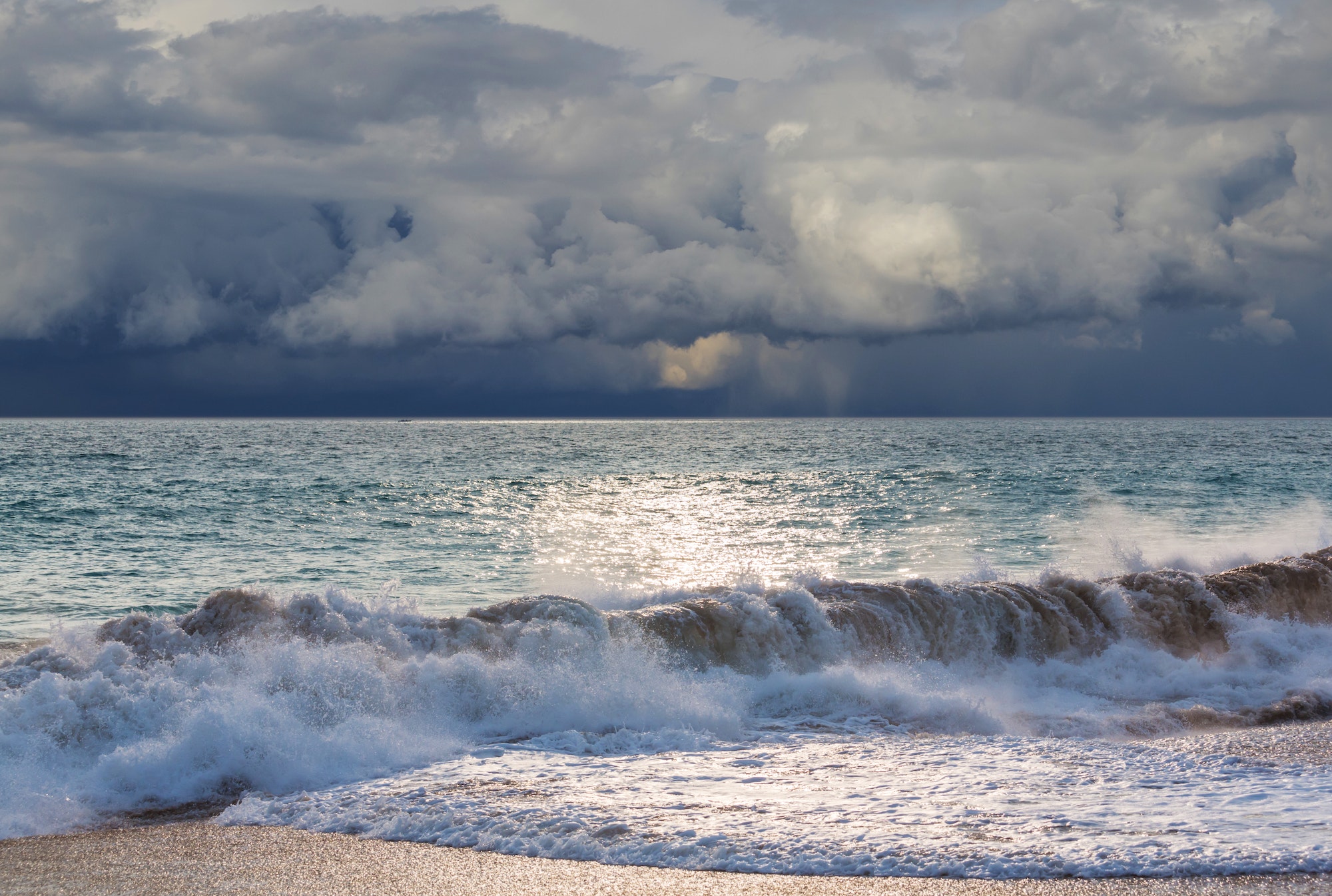
The 2024 Atlantic hurricane season was one for the record books, with Hurricane Helene emerging as one of the most devastating storms to impact the United States in recent years. Making landfall on September 26, 2024, as a Category 4 hurricane, Helene unleashed catastrophic destruction across multiple states, leaving a trail of damage and a long road to recovery.
In 2024, the United States experienced several significant hurricanes, notably Hurricanes Helene and Milton, that made landfall.
Hurricane Helene formed from a tropical wave off the coast of Africa in mid-September, intensifying rapidly as it crossed the Atlantic. Fueled by exceptionally warm ocean waters, Helene strengthened into a powerful Category 4 storm with sustained winds of 145 mph before making landfall along Florida’s Gulf Coast. The storm’s trajectory took it northeastward, affecting Georgia, South Carolina, North Carolina, Tennessee, and Virginia with heavy rainfall, tornado outbreaks, and widespread flooding.
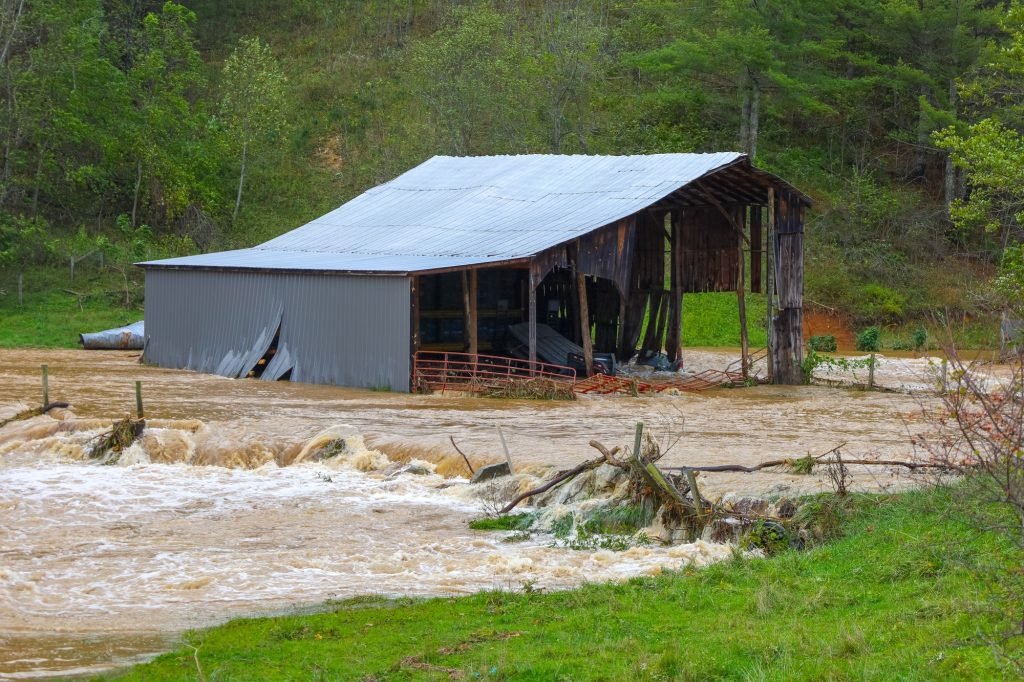
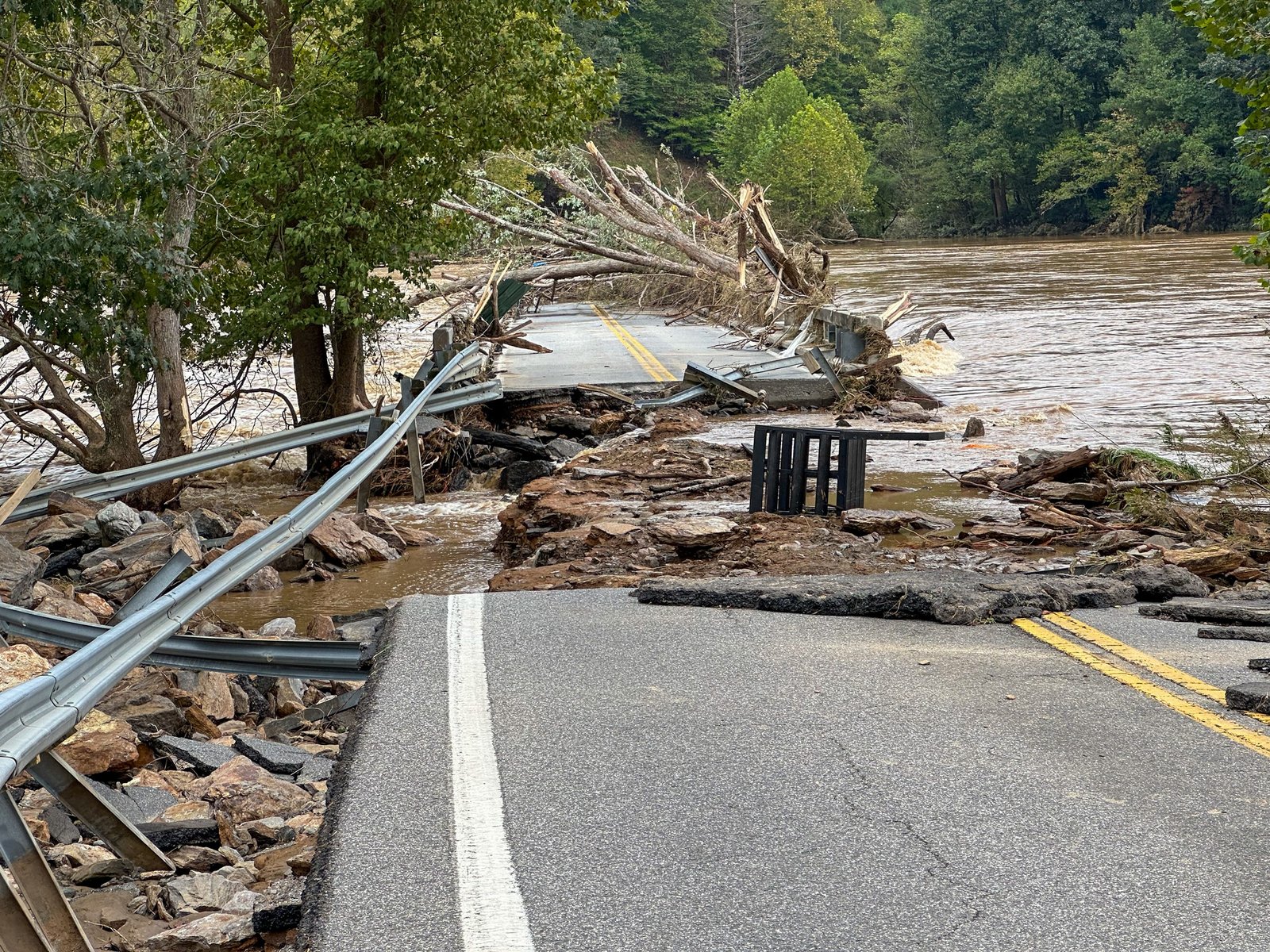
Upon landfall, Helene delivered a deadly combination of storm surges, torrential rains, and high winds that overwhelmed communities along the Gulf and Atlantic coasts. Some of the worst-hit areas included:
Reports estimate the storm caused over $100 billion in damages, making it one of the costliest hurricanes in U.S. history. Tragically, at least 85 lives were lost, and emergency response teams worked tirelessly to rescue those trapped by floodwaters.
Federal and state agencies quickly mobilized relief efforts, with FEMA, the Red Cross, and National Guard troops deployed to assist affected areas. The government allocated nearly $2 billion in immediate disaster relief funds, focusing on:
Despite these efforts, many residents struggle to rebuild their homes and businesses. Long-term recovery projects are expected to take years, and there is an increased focus on climate resilience to prepare for future storms.
Experts have pointed to climate change as a key factor in Helene’s intensity, citing rising sea temperatures and increased moisture in the atmosphere as contributors to the storm’s rapid intensification. As hurricanes become more severe, scientists and policymakers are emphasizing the urgent need for more substantial infrastructure, improved evacuation plans, and enhanced flood prevention measures to mitigate the impacts of future storms.
Hurricane Helene is a stark reminder of nature’s power and the need for preparedness in extreme weather. As recovery efforts continue, communities are urging for better disaster management strategies, enhanced building codes, and investments in climate adaptation measures to ensure a more resilient future.
As the U.S. continues to assess the aftermath of Hurricane Helene, the storm has left an undeniable mark on history. From its record-breaking intensity to the massive recovery efforts now underway, Helene is a sobering example of the challenges an evolving climate poses. The lessons learned from this disaster will shape how we prepare for hurricanes in the years to come.
Stay tuned for updates on relief efforts and how you can help those affected by Hurricane Helene. If you have a personal experience with the storm, share your story in the comments below!
