Soaring High with the P-26 Peashooter: A Vintage Marvel

P-26 Peashooter

The P-26 Peashooter was a single-seat, all-metal monoplane fighter aircraft used by the United States Army Air Corps (USAAC) during the late 1930s. It was developed by the Boeing Company and introduced as the USAAC’s first all-metal fighter.

Other countries also used the P-26 Peashooter. Several P-26 aircraft were exported to China, where the Chinese Air Force used them. The planes were employed in combat against Japanese forces during the Second Sino-Japanese War, which started in 1937. Additionally, some P-26s were sold to the Philippines, Guatemala, and Panama, where they served in their respective air forces.

P-26 Peashooter

Origins of the P-26

The P-26 Peashooter originated in the Model 248, a design that Boeing produced in response to a USAAC requirement for a new pursuit aircraft in the mid-1930s. The USAAC sought a modern replacement for its biplane fighters, and the Boeing P26 Peashooter was the result of Boeing’s efforts.

Notable Features

The aircraft had several notable features for its time. It was also armed with a combination of machine guns and bombs. Initially, the P-26 had two .30 caliber machine guns synchronized to fire through the propeller arc, but later versions were equipped with two .50 caliber machine guns.

The P-26 Peashooter had a fixed landing gear, a common design feature of that era. Its wings were mounted mid-fuselage and were of a low-wing monoplane configuration. The aircraft was powered by a Pratt & Whitney R-1340-33 engine, delivering around 600 horsepower and achieving a maximum speed of approximately 235 mph (378 km/h). It had a range of about 360 miles (579 km) and a service ceiling of 27,400 feet (8,352 m).

Used in Combat

The Peashooter saw combat during the early stages of World War II, primarily during the Battle of Bataan in the Philippines and the defense of the Panama Canal Zone. However, by the outbreak of the war, the P-26 was already considered outdated compared to more modern fighters, such as the British Spitfire and the German Messerschmitt Bf 109.

P-26 Peashooter Cockpit

Frequently Asked Questions

Are there any P-26 Peashooter aircraft left?

There are a few P-26 Peashooter aircraft still in existence today. Most of them are on display in museums around the world. Some examples can be found at the National Museum of the United States Air Force in Ohio, the Pacific Aviation Museum in Hawaii, the National Museum of the United States Air Force in Texas, and the National Air and Space Museum in Washington, D.C. Additionally, there are a few privately owned P-26s that are still airworthy and occasionally participate in airshows and aviation events.

Was the P-26 Peashooter ever used in combat?

The P-26 Peashooter was used in combat. It was an American fighter aircraft that saw action during the early years of World War II. The Philippine Army Air Corps used it during the early stages of the Pacific War against Japanese forces, where it fought in the air battles of the Philippines.

How fast was the P-26?

The P-26 Peashooter, an American single-seat fighter aircraft, had a maximum speed of around 234 mph (377 km/h).

Did the P-26 ever shoot down an enemy aircraft?

Yes, the P-26 Peashooter, an American fighter aircraft introduced in the 1930s, did shoot down enemy aircraft. During the Spanish Civil War, which occurred from 1936 to 1939, the P-26 was operated by Republican forces and reportedly shot down several enemy aircraft, including Fiat CR.32s and Heinkel He 51s. However, it is important to note that the P-26 was an earlier generation fighter and became outdated when World War II began.

Did the P-26 have an enclosed cockpit?

No, the P-26 Peashooter did not have an enclosed cockpit. It had an open cockpit design, which was common for aircraft of that era, and the pilot was exposed to the elements during flight.

Was the P-26 used by used by other countries?

The P-26 was used by other countries besides the United States. The Chinese Air Force used it during the Second Sino-Japanese War. The Chinese received around 45 P-26 aircraft from 1936 to 1942 and played a significant role in air battles against Japanese forces. The P-26 was also exported to other countries, including Panama, Guatemala, and the Philippines. Some countries used the P-26 in their air forces during the 1930s and early 1940s.

Conclusion

Despite its eventual obsolescence, the P-26 Peashooter played a significant role in the USAAC’s transition towards more advanced fighter aircraft. It served as an important stepping stone in the development of American fighter aircraft and paved the way for future successes, such as the P-40 Warhawk and the P-51 Mustang.

P-43 Lancer Exceptional High-Altitude Capabilities

P-43 Lancer

The P-43 Lancer, developed during World War II, may not have been the most effective fighter aircraft of its time, but it certainly made a mark with its exceptional high-altitude capabilities. This aircraft, designed by the Bell Aircraft Corporation, was initially meant to improve upon its predecessor, the P-39 Airacobra. While it did not meet expectations regarding overall performance and combat effectiveness, the P-43 Lancer stood out for its ability to operate at high altitudes, making it a valuable asset in certain situations.

One key feature that set the P 43 Lancaster apart was its turbo-supercharged Allison V-1710 engine, which enabled it to reach higher altitudes than many of its contemporaries. This capability was particularly valuable in aerial combat scenarios where altitude could provide a strategic advantage. Pilots flying the P-43 Lancer could use its high-altitude performance to outmaneuver opponents or to evade enemy fire, showcasing the aircraft’s unique strengths and capabilities.

Despite its limitations in other areas, the P-43 Lancer’s high-altitude prowess earned it a reputation for being a reliable aircraft in certain combat situations. Pilots who flew this aircraft often praised its altitude handling and ability to perform well in challenging conditions. While it may not have been the most glamorous or successful fighter aircraft of its time, the P-43 Lancer’s unique abilities made it a noteworthy addition to the Allied forces during World War II.

In conclusion, although the Republic P43 Lancer may not have been a standout performer overall, its exceptional high-altitude capabilities set it apart from many of its contemporaries. With its turbo-supercharged engine and specialized design, this aircraft gave pilots a valuable advantage in aerial combat, where altitude could make all the difference. While its success may have been limited in some regards, the P-43 Lancer remains a fascinating piece of aviation history, showcasing the innovation and adaptability of aircraft designers during World War II.

The P-43 Lancer also contributed to the development of future aircraft models that sought to enhance performance at high altitudes. Its design influenced subsequent innovations in aerodynamics and engine technology, paving the way for more advanced fighters. Additionally, the Lancer served in various training programs, helping pilots hone their skills for larger aircraft. Despite its mixed legacy, the P-43’s operational use in different theaters of war highlights its practical applications during a turbulent time in history. Ultimately, the aircraft embodies the spirit of experimentation and resilience that characterized aviation advancements in the mid-20th century.

 Development and Design

Republic Aviation built the P-43 Lancer, a collaborative effort by a team of engineers and designers that resulted in a versatile aircraft. The project aimed to create an advanced fighter plane capable of meeting the demanding requirements of the United States Army Air Corps.

img dM5aDPlB48jeqijs0C4mgqCn

One of the key features of the P-43 Lancer was its streamlined and aerodynamic fuselage. This design allowed the aircraft to achieve high speeds and excellent maneuverability, making it an effective interceptor. However, it lacked armor and self-sealing fuel tanks, and production was limited. The P-47 was seen as a more promising aircraft. The P-43 was used mostly for training; some were shipped to China.

Engine

Engineered for optimal performance, the P-43 Lancer was equipped with a powerful Pratt & Whitney radial engine and an arsenal of advanced weaponry. The heart of the aircraft, the R-2830 engine, was a 14-cylinder, twin-row radial engine that delivered an impressive 1400 horsepower. This engine provided the P-43 Lancer with exceptional speed and agility, giving it good high-altitude performance.

Image

High-Altitude Interception Capabilities

Equipped with its powerful engine and advanced weaponry, the P-43 Lancer demonstrated impressive high-altitude interception capabilities. This fighter aircraft was specifically designed to intercept enemy aircraft at high altitudes.

Impact on World War II

The P-43 Lancer played a significant role in various campaigns during World War II, becoming a reliable asset for the Allied forces. Its combination of speed and firepower allowed it to engage enemy fighters effectively and support ground troops during critical missions. Pilots praised its maneuverability, especially in dogfights, where it could outmaneuver many adversaries. As a result, the P-43 Lancer contributed to air superiority efforts, helping to secure vital victories in the Pacific Theater. Over time, it laid the groundwork for future advancements in fighter aircraft design.

The P-43 Lancer played a minor role in World War II as it was considered unfit for combat. However, it was successful in high-altitude reconnaissance.

Frequently Asked Questions

How Many P-43 Lancer Aircraft Were Produced During World War Ii?

A total of approximately 100 P-43 Lancer aircraft were produced during World War II. Despite its limited combat effectiveness, the P-43 served as a valuable learning platform for future fighter designs. Its performance characteristics informed subsequent aircraft development, contributing to advancements in aerodynamics and weaponry. The P-43’s legacy is often overshadowed by more prominent fighters, but its contributions to aviation technology remain significant. Ultimately, it paved the way for more effective interceptors in the later stages of the conflict.

Around 272 P-43 Lancers were manufactured.

What were the main features of the P-43 Lancer?

Its sleek design reduced drag and improved maneuverability, making it a notable aircraft for its time. The P-43 also featured a powerful engine that provided impressive speed for intercepting potential threats. Although it did not see extensive combat, its development contributed to advancements in fighter aircraft technology. Lessons learned from the P-43 Lancer influenced subsequent models, shaping future designs that would become integral to aerial warfare.

The lack of a self-healing fuel tank and armor made it easy to shoot down.

Did the P-43 Lancer See Any Combat Action?

This aircraft saw limited action.

Despite its limitations, the P-43 Lancer contributed to the development of future aircraft designs. Its high-altitude performance informed engineers of the necessary adjustments to improve aircraft capabilities. The experiences gained from operating the P-43 helped shape tactical decisions in aerial reconnaissance. Furthermore, the aircraft’s design elements influenced subsequent American fighters, paving the way for more advanced models. Ultimately, the P-43 Lancer’s legacy lies in its role as a stepping stone in aviation history.

Conclusion

In conclusion, the P-43 Lancer did see limited combat action during World War II, primarily with the Chinese Air Force. While it was not as widely utilized as other fighter aircraft of the time, the Lancer played a role in defending Chinese airspace against Japanese aggression. Despite its initial setbacks and the eventual transition to other, more advanced aircraft, the P-43 Lancer’s contribution to the war effort should not be overlooked. Its combat experience provided valuable insights for future aircraft development, ultimately paving the way for more successful fighter planes in the years to come. The P-43 Lancer was not a significant aircraft during World War II. Its main contributions were as a trainer and high altitude reconnaissance.

Soaring High: The P-61 Black Widow’s Legacy

P-61

Nicknamed the “Black Widow,” the Northrop P-61 is a legend in aviation history. As the first American aircraft designed specifically as a night fighter, it played a distinctive role during World War II, using onboard radar to locate enemy aircraft in darkness and poor visibility. With its twin-boom design, powerful engines, heavy armament, and specialized crew, the P-61 became an unmistakable presence in the skies and remains one of the most memorable combat aircraft of its era.

P-61 Black Widow: Design and Specifications

The P-61 Black Widow, with its distinctive twin-boom design, was built to meet the U.S. military’s need for a night fighter, and it’s packed with unique specifications. Its revolutionary design, primarily facilitated by Northrop Corporation, incorporated two tail booms that housed the engines, leaving the central nacelle for the crew. This structure contributed to its stability and maneuverability in flight.

As World War II’s first specifically designed night fighter, it’s loaded with unique combat features.

At the heart of the P-61’s design was its radar system. It was the first American aircraft to be designed from scratch with radar, an SCR-720 radar, to be exact. This radar could detect enemy aircraft over 5 miles away, giving the P-61 a significant advantage in the dark.

The aircraft was also armed to the teeth. It had four .50 caliber machine guns in the belly and a top turret that could hold four more. It could also carry up to 6,400 pounds of bombs. This formidable arsenal, combined with its advanced radar system, made the P-61 a deadly hunter in the night skies during World War II.

It’s remembered for scoring the last aerial victory of the war.

P-61 Black Widow

The P-61’s Unique Combat Features

In combat, the P-61’s unique features weren’t limited to its heavy armament and advanced radar; it also boasted an impressive bombing capacity and excellent maneuverability, making it a formidable presence in World War II’s night skies.

Consideration of its armament, which included four 20mm Hispano M2 cannons and four .50 cal Browning M2 machine guns, highlights the aircraft’s offensive capacity.

The P-61’s bombing capacity was equally remarkable. Its design allowed it to carry up to 6,400 pounds of bombs, a hefty payload for a night fighter. Furthermore, the P-61 was one of the few aircraft of its time with a full suite of air-to-air radar. This enabled it to detect enemy aircraft at a distance, even in total darkness, providing a significant tactical advantage.

The P-61’s maneuverability was also exceptional. Its large wing area and powerful engines gave it a quick climb rate and responsive handling, vital for dogfighting and evasion. Meanwhile, its tricycle landing gear made takeoffs and landings smoother, enhancing safety and operational efficiency.

These features combined to make the P-61 a uniquely capable and effective night fighter.

Significant Missions of the Black Widow

Beyond its technical prowess, P-61’s historical significance lies in its pivotal role in several noteworthy missions during World War II.

The first confirmed ‘kill’ by a P-61 occurred on July 6, 1944, by a craft piloted by Lieutenant Herman Ernst. This Black Widow shot down a Mitsubishi ‘Betty’ Bomber over the Pacific, proving its effectiveness as a night fighter.

Another significant mission was Operation Strangle, aimed at disrupting German supply lines in Italy. The P-61s were instrumental in this mission, effectively neutralizing enemy transport at night. This strategic operation played a vital role in the eventual Allied victory in Italy.

The P-61 also saw action in the Battle of the Bulge, providing critical air support during this pivotal conflict. Its radar systems and heavy firepower made it a formidable opponent against German aircraft, even under the challenging winter conditions.

In the Pacific theater, P-61s were crucial in the Battle of Leyte Gulf. Skilled in night combat, they disrupted Japanese air attacks, protecting naval forces and contributing to the largest naval battle in history.

In each mission, the P-61 proved its worth as an advanced, resourceful fighter, leaving an indelible mark on the annals of World War II combat history.

P-61 Black Widow
P-61 Black Widow Cockpit

Role in World War II: P-61 Black Widow

It’s impossible to overstate the importance of the P-61 Black Widow’s role in World War II; this groundbreaking fighter aircraft was pivotal in numerous key battles and operations.

As the first aircraft specifically designed to use radar, it gave the Allies a significant advantage during nighttime operations, significantly disrupting enemy plans. The P-61’s unique design, with a crew of three, twin engines, and heavy armament, enabled it to excel in both interception and ground-attack missions.

The Black Widow’s performance in the Pacific Theatre was particularly notable. Its ability to operate in darkness was instrumental in combating the Japanese tactic of conducting nighttime bombing raids. Not only did it successfully shoot down enemy aircraft, but it also excelled at ground attacks, making it a crucial asset during the island-hopping campaign.

In Europe, the P-61 served primarily as a night fighter, protecting Allied bases from Luftwaffe attacks. It also played a significant role during the Battle of the Bulge, providing invaluable support during a critical moment in the war.

Legacy and Influence of the P-61 Aircraft

Despite only 706 units being built, the P-61 Black Widow’s innovative design and superior performance left an indelible mark on aviation history. This aircraft’s unique features, such as its radar system and twin-engine design, set new industry standards. It was the first aircraft designed with radar as part of its initial blueprint. This technological advancement was a game-changer, allowing the P-61 to detect and intercept enemy aircraft in complete darkness.

The P-61’s influence extended to post-war aviation design. Its twin-engine configuration, which enhanced its performance and power, became a common feature in later fighter aircraft. Notably, its design directly influenced the development of subsequent night fighters, including the F-15 Eagle.

In a broader sense, the P-61’s legacy lies in its demonstration of the potential of technological innovation in aviation. It proved that incorporating advanced technology into aircraft design could drastically enhance performance and tactical capacity. Its influence still resonates in modern aviation, where technological innovation continues to drive the development of new aircraft.

The P-61 Black Widow, therefore, remains a significant milestone in aviation history, its legacy living on in today’s technologically advanced fighter aircraft.

Frequently Asked Questions

How Much Did It Cost for a P-61 Black Widow Aircraft?

The cost of a P-61 Black Widow aircraft varied over time and versions. The initial production variant, P-61A, had an average cost of around $200,000 per aircraft during World War II. However, as production progressed and newer variants were introduced, the cost increased. The final variant, P-61C, had an estimated cost of approximately $440,000 per aircraft. Keep in mind that these costs are adjusted for inflation to reflect current values.

Did Other Countries Ever use any P-61s?

Some countries, including China and the Soviet Union, received P-61s under the Lend-Lease Act during World War II. However, it’s unclear if they were ever used in combat there.

How Many P-61 Black Widow Aircraft Are Still in Existence

Four of these historic aircraft remain today. They’re housed in the Smithsonian’s National Air and Space Museum, the Beijing Military Museum, the Beijing Air and Space Museum, and the Mid-Atlantic Air Museum in Reading, Pennsylvania.

What Were the Training Procedures for P-61 Pilots?

Pilots underwent extensive training in flight simulators and ground schools. They’d learn the craft’s systems, emergency procedures, and night flying. Training also included actual flight hours to master handling and combat maneuvers.

What are modern-day aircraft most similar to the P-61 Black Widow?

In terms of design and functionality, the modern-day aircraft most similar to it are the Lockheed P-3 Orion and the Northrop Grumman E-2 Hawkeye, both known for their radar and surveillance capabilities.

Conclusion

The P-61 Black Widow’s innovative design, unique combat features, significant missions, and pivotal role in World War II solidified its place in aviation history. Its legacy continues to influence modern aircraft design, underscoring its crucial contributions to warfare strategy.

Indeed, the Black Widow’s iconic status is a testament to its exceptional performance, resilience, and superior capabilities. Despite its retirement, the P-61 Black Widow remains a symbol of American innovation and military prowess.

Celebrating the Legacy of the P-36 Hawk

Curtiss P-36 Hawk

P-36 Hawk: A Classic Fighter of Its Time

Introduction

The P-36 Hawk was an iconic and versatile fighter aircraft that played a significant role during the early years of World War II. Designed and manufactured by the American aviation company Curtiss-Wright Corporation, this single-seat, all-metal monoplane was vital to the United States Army Air Corps (USAAC) and other air forces worldwide. Boasting impressive performance characteristics and a distinctive design, it contributed to the evolution of aviation technology and played a crucial role in shaping the history of aerial warfare.

Curtiss P-36 Hawk

Origins and Design

The origins of the P-36 Hawk can be traced back to the early 1930s when Curtiss-Wright aimed to develop a high-performance fighter aircraft to replace the aging P-6 Hawk, one of their previous successful designs. The company’s design team, led by Donovan Berlin and Raymond G. Protzmann, incorporated several innovative features and improvements to create an advanced fighter aircraft. Initially designated Model 75, it marked a departure from the biplane configuration and introduced a sleek monoplane design that enhanced both speed and maneuverability.

The P-36 Hawk featured a closed cockpit, retractable landing gear, and an enclosed wing structure, allowing reduced drag and increased speed. Another distinctive feature was its cooling system, consisting of a radiator positioned under the fuselage, allowing for efficient cooling at high altitudes. Initially powered by a Pratt & Whitney R-1830 Twin Wasp radial engine, this aircraft could produce up to 1,100 horsepower.

Operational History

The P-36 Hawk entered service with the USAAC in 1938, just before the outbreak of World War II. It quickly proved a worthy adversary, earning a reputation for its exceptional maneuverability and solid performance. The aircraft’s operational record was further enhanced during the early stages of the war, particularly with the Royal Air Force (RAF) in the defense of Singapore and Burma against the Japanese advance.

However, with the ever-evolving advancements in aviation technology, the P-36 Hawk faced some limitations. More advanced designs, such as the Curtiss P-40 Warhawk and the Republic P-47 Thunderbolt, gradually replaced it in combat units. Nevertheless, the aircraft continued to serve with various air forces worldwide, including those of Finland, China, France, and Turkey, throughout World War II and into the post-war era.

Significance and Impact

The P-36 Hawk was vital in bridging the technological gap between early biplane fighters and the advanced monoplanes that dominated the skies during World War II. Its innovative design, speed, and maneuverability set new standards for fighter aircraft of its time. The lessons learned from its operational use paved the way for subsequent developments, such as the Curtiss P-40 and its famous successor, the P-51 Mustang.

Performance Characteristics

The P-36 Hawk’s performance made it stand out among contemporary fighter aircraft. With a maximum speed of approximately 300 mph (483 km/h) and a range of up to 1,200 miles (1,930 km), it offered speed and endurance. The aircraft had a service ceiling of around 32,000 feet (9,753 meters), which allowed for potential engagements at high altitudes. Additionally, it was armed with various combinations of .50-caliber and .30-caliber machine guns, giving pilots a significant firepower advantage.

Frequently Asked Questions

How many P-36 Hawks were produced?

Approximately 1,431 of these were produced between 1938 and 1941.

Did other countries besides the United States use the P-36 Hawk?

The P-36 Hawk was exported to several countries, including Finland, France, China, and Turkey, where it saw active combat service.

How does the P-36 Hawk compare to its successor, the P-40 Warhawk?

While the P-36 Hawk laid the foundation for the P-40 Warhawk, the latter featured evolutionary improvements, including more powerful engines and heavier armament.

How effective was the P-36 Hawk in combat?

The P-36 Hawk proved to be a capable fighter aircraft, but it faced limitations when confronted with more advanced enemy aircraft. Its maneuverability and firepower were considered advantages during its early years of service.

What is the surviving status of the P-36 Hawk today?

Unfortunately, no original examples are known to exist today, but replicas and restorations can be seen in various aviation museums around the world.

Conclusion

The P-36 Hawk was a pioneering fighter aircraft that helped shape the transition from the biplane era to the faster, more modern monoplanes that would dominate the skies during World War II. Developed by Curtiss-Wright in the 1930s, the aircraft represented a major step forward in fighter design, combining an all-metal structure, retractable landing gear, and improved aerodynamics at a time when military aviation was advancing rapidly. These features allowed the P-36 to deliver better speed, maneuverability, and overall performance than many earlier fighters, making it an important milestone in the evolution of combat aircraft.

Although the P-36 Hawk was soon overshadowed by newer and more powerful fighters, its influence was far from minor. Its design laid the groundwork for the famous Curtiss P-40 Warhawk, one of the best-known American fighters of the war. In this way, the P-36 directly contributed to subsequent technological advancements in aviation, helping engineers refine ideas on airframe strength, engine performance, pilot visibility, and combat durability. The aircraft’s development showed how quickly fighter technology was changing in the years leading up to the conflict.

The P-36 also had a notable operational history. It served not only with the United States Army Air Corps but also with several foreign air forces, including those of France, Finland, the Netherlands, and other nations. In French service, the Hawk saw combat during the early stages of World War II, where it proved capable against contemporary enemy aircraft despite being outnumbered and facing difficult conditions. Finnish pilots also used the type effectively, demonstrating that the aircraft could remain valuable in the hands of skilled aviators.

While it eventually gave way to more advanced, faster, and more heavily armed fighters, the P-36 Hawk remains an important chapter in the extensive annals of aviation history. It bridged an important technological gap, influenced later aircraft designs, and served in combat at a critical moment in world history. Its legacy endures as a reminder of the rapid innovation, experimentation, and determination that defined military aviation in the years before and during World War II.

B-2 Spirit Bomber

B-2 Spirit Bomber

“Unmatched stealth and precision in the skies – the B-2 Spirit Bomber.”

History and Evolution of the B-2 Spirit Bomber

The B-2 Spirit Bomber, also known as the “Stealth Bomber,” is a strategic bomber aircraft that has been in service with the United States Air Force since 1997. It is a unique and highly advanced aircraft, designed to penetrate enemy defenses and deliver precision strikes with its large payload capacity. In this article, we will delve into the history and evolution of this iconic aircraft.

The origins of the B-2 Spirit Bomber can be traced back to the Cold War era, when the United States was in a constant state of tension with the Soviet Union. The need for a long-range, stealthy bomber became apparent as the US sought to maintain its strategic advantage over its rival. In response to this need, the Advanced Technology Bomber (ATB) program was initiated in the early 1980s.

The ATB program aimed to develop a bomber that could evade radar detection and deliver nuclear weapons deep into enemy territory. After a rigorous competition between two aerospace giants, Northrop Corporation was awarded the contract to build the B-2 Spirit Bomber in 1981. The development of this aircraft was shrouded in secrecy, with only a select few individuals having knowledge of its existence.

The B-2 Spirit Bomber made its first flight in 1989, and it was officially unveiled to the public in 1990. Its unique design, with its sleek and angular shape, earned it the nickname “Stealth Bomber.” The aircraft’s stealth capabilities were achieved through its advanced composite materials, radar-absorbent coatings, and its distinctive flying wing design.

The B-2 Spirit Bomber’s first combat mission was in 1999 during the Kosovo War, where it successfully destroyed enemy targets with precision-guided munitions. It also played a crucial role in the US-led invasion of Afghanistan in 2001 and the Iraq War in 2003. Its ability to fly long distances without refueling and its stealth capabilities made it an invaluable asset in these conflicts.

Over the years, the B-2 Spirit Bomber has undergone several upgrades and modifications to enhance its capabilities. In 2009, the aircraft received a major upgrade, which included new avionics, radar systems, and the integration of new weapons. This upgrade significantly improved the aircraft’s ability to gather and transmit real-time intelligence, making it a more versatile and effective weapon system.

In addition to its combat missions, the B-2 Spirit Bomber has also been used for humanitarian purposes. In 2011, it was used to drop food and supplies to civilians in Libya during the country’s civil war. This demonstrated the aircraft’s versatility and its ability to adapt to different situations.

Despite its impressive capabilities, the B-2 Spirit Bomber has faced criticism for its high cost. The development and production of each aircraft cost over $2 billion, making it one of the most expensive military aircraft in history. However, proponents of the aircraft argue that its unique capabilities and its role in maintaining national security justify its cost.

In recent years, the B-2 Spirit Bomber has been used in joint military exercises with allied nations, showcasing its capabilities and strengthening international partnerships. It has also been used in deterrence missions, sending a clear message to potential adversaries of the US’s military might.

In conclusion, the B-2 Spirit Bomber has come a long way since its inception in the 1980s. Its evolution from a top-secret project to a highly advanced and versatile weapon system is a testament to the ingenuity and determination of the engineers and designers who brought it to life. As the US continues to face new threats and challenges, the B-2 Spirit Bomber will undoubtedly play a crucial role in maintaining its strategic advantage and protecting its national interests.

Top 10 Facts About the B-2 Spirit Bomber

The B-2 Spirit Bomber, also known as the “Stealth Bomber,” is a strategic bomber aircraft that has been in service with the United States Air Force since 1997. It is a unique and highly advanced aircraft, with capabilities that make it one of the most feared weapons in the world. In this article, we will explore the top 10 facts about the B-2 Spirit Bomber.

  1. The B-2 Spirit Bomber was developed in secret during the Cold War. In the 1970s, the United States Air Force recognized the need for a new stealth bomber to penetrate Soviet air defenses. The project was kept highly classified, and it wasn’t until 1988 that the public was made aware of its existence.
  2. The B-2 Spirit Bomber is designed to evade radar detection. Its unique shape, made up of flat surfaces and sharp angles, allows it to deflect radar waves and remain undetected by enemy radar systems. This makes it a valuable asset for carrying out surprise attacks.
  3. The B-2 Spirit Bomber is capable of carrying both conventional and nuclear weapons. It has a large internal weapons bay that can hold up to 40,000 pounds of bombs, including nuclear bombs. This gives it the ability to strike targets with precision and devastating force.
  4. The B-2 Spirit Bomber has a range of over 6,000 nautical miles. This allows it to fly from the United States to any location in the world without the need for refueling. This long-range capability makes it a valuable asset for global military operations.
  5. The B-2 Spirit Bomber has a crew of only two people. Despite its large size, the B-2 only requires a pilot and a co-pilot to operate. This is made possible by its advanced computer systems and fly-by-wire technology, which allows for precise control and maneuverability.
  6. The B-2 Spirit Bomber is equipped with state-of-the-art technology. It has a sophisticated radar system that can detect and track multiple targets simultaneously. It also has advanced navigation and communication systems, making it a highly capable and versatile aircraft.
  7. The B-2 Spirit Bomber has a top speed of over 600 miles per hour. This allows it to quickly reach its target and escape before the enemy can respond. Its speed, combined with its stealth capabilities, makes it a difficult target for enemy defenses.
  8. The B-2 Spirit Bomber has been used in several military operations. It played a crucial role in the Kosovo War in 1999, where it flew non-stop from Missouri to Kosovo and back, dropping precision-guided bombs on enemy targets. It has also been used in Afghanistan, Iraq, and Libya.
  9. The B-2 Spirit Bomber has a unique maintenance process. Due to its stealth capabilities, the B-2 is coated with a special material that absorbs radar waves. This coating needs to be carefully maintained, and the aircraft is kept in a climate-controlled hangar to prevent damage.
  10. The B-2 Spirit Bomber is one of the most expensive military aircraft ever built. Each B-2 costs around $2.1 billion, making it one of the most expensive weapons in the world. However, its capabilities and effectiveness make it a valuable asset for the United States Air Force.

In conclusion, the B-2 Spirit Bomber is a remarkable aircraft that has revolutionized modern warfare. Its stealth capabilities, long-range capabilities, and advanced technology make it a formidable weapon that can strike with precision and remain undetected. Despite its high cost, the B-2 Spirit Bomber continues to play a crucial role in global military operations and is a testament to the United States’ commitment to maintaining a strong and advanced military force.

B-2 Spirit Bomber

The Role of the B-2 Spirit Bomber in Modern Warfare

The B-2 Spirit Bomber, also known as the “Stealth Bomber,” is a strategic bomber that has played a crucial role in modern warfare. Developed by Northrop Grumman, this aircraft is known for its advanced stealth technology and its ability to penetrate deep into enemy territory undetected. In this article, we will explore the role of the B-2 Spirit Bomber in modern warfare and how it has revolutionized the way wars are fought.

One of the main roles of the B-2 Spirit Bomber is its ability to deliver precision strikes on high-value targets. With its advanced radar-evading technology, the B-2 can fly undetected into heavily defended enemy airspace and strike with pinpoint accuracy. This capability has made the B-2 an essential asset in modern warfare, where precision strikes are crucial in minimizing collateral damage and achieving military objectives.

Moreover, the B-2 Spirit Bomber has the ability to carry both conventional and nuclear weapons, making it a versatile weapon in any conflict. Its large payload capacity allows it to carry up to 40,000 pounds of bombs, including the Massive Ordnance Penetrator (MOP), a 30,000-pound bunker-busting bomb. This makes the B-2 an ideal choice for destroying heavily fortified enemy targets, such as underground bunkers and command centers.

In addition to its offensive capabilities, the B-2 Spirit Bomber also plays a crucial role in reconnaissance and intelligence gathering. Equipped with state-of-the-art sensors and communication systems, the B-2 can gather and transmit real-time data to ground forces, providing them with valuable information about enemy movements and positions. This information is vital in planning and executing successful military operations.

The B-2 Spirit Bomber has also played a significant role in shaping the concept of “shock and awe” in modern warfare. Its ability to strike deep into enemy territory with precision and overwhelming force has been a game-changer in many conflicts. The psychological impact of a B-2 strike cannot be underestimated, as it instills fear and demoralizes the enemy, often leading to their surrender or retreat.

Furthermore, the B-2 Spirit Bomber has been a crucial asset in humanitarian and disaster relief operations. Its long-range capabilities and large payload capacity allow it to deliver much-needed supplies and aid to remote and inaccessible areas. In times of natural disasters or humanitarian crises, the B-2 can provide vital support and assistance, showcasing its versatility and importance in modern warfare.

The B-2 Spirit Bomber has also played a significant role in shaping the balance of power between nations. Its advanced stealth technology and ability to penetrate enemy defenses have made it a formidable weapon, giving the United States a significant advantage over its adversaries. This has led to a shift in the way wars are fought, with more emphasis on technological superiority rather than sheer numbers.

However, the B-2 Spirit Bomber’s role in modern warfare is not without controversy. Its high cost and maintenance requirements have been a subject of debate, with some arguing that the resources could be better utilized in other areas. Nevertheless, the B-2 remains a crucial asset in the United States’ military arsenal, and its role in modern warfare cannot be overlooked.

In conclusion, the B-2 Spirit Bomber has revolutionized the way wars are fought, with its advanced technology and capabilities. Its role in delivering precision strikes, gathering intelligence, and providing support in humanitarian operations has made it an essential asset in modern warfare. As technology continues to advance, it is safe to say that the B-2 Spirit Bomber will continue to play a crucial role in shaping the future of warfare.

Inside the Cockpit: A Pilot’s Perspective on Flying the B-2 Spirit Bomber

The B-2 Spirit Bomber, also known as the “Stealth Bomber,” is a remarkable aircraft that has been in service with the United States Air Force since 1997. It is a strategic bomber designed for penetrating enemy defenses and delivering precision strikes. The B-2 is a unique aircraft, not only in its capabilities but also in its design. As a pilot who has had the privilege of flying this incredible machine, I can attest to the fact that it is truly a marvel of engineering and technology.

Stepping into the cockpit of the B-2 for the first time is an experience like no other. The first thing that strikes you is the sleek and futuristic design of the cockpit. The entire cockpit is covered in a dark, matte finish to reduce reflections and make the aircraft less visible to radar. The cockpit is also designed to be as spacious as possible, allowing the pilot and co-pilot to move around comfortably during long missions.

As a pilot, one of the most important aspects of flying any aircraft is having a clear view of the outside world. The B-2’s cockpit offers an unobstructed 360-degree view, thanks to its large canopy made of a special material that is both strong and radar-absorbent. This allows the pilot to have a clear view of the surrounding airspace, making it easier to navigate and avoid potential threats.

One of the most impressive features of the B-2’s cockpit is the advanced avionics system. The aircraft is equipped with state-of-the-art technology, including a Heads-Up Display (HUD) that projects critical flight information onto the windshield, allowing the pilot to keep their eyes on the outside world while still having access to important data. The B-2 also has a sophisticated radar system that can detect and track multiple targets simultaneously, making it a formidable weapon in any combat situation.

Flying the B-2 requires extensive training and skill. The aircraft is highly sensitive and responsive, and the pilot must have a steady hand and a sharp mind to control it effectively. The B-2 is also a “fly-by-wire” aircraft, meaning that the pilot’s inputs are transmitted electronically to the flight control surfaces, rather than through traditional mechanical linkages. This allows for more precise control and maneuverability, especially at high speeds and altitudes.

One of the most challenging aspects of flying the B-2 is its stealth capabilities. The aircraft is designed to be virtually invisible to radar, which means that the pilot must constantly monitor and adjust the aircraft’s radar signature to maintain its stealth capabilities. This requires a high level of concentration and skill, as any mistake could compromise the aircraft’s stealth and put the mission at risk.

Despite its advanced technology and capabilities, the B-2 is still a bomber at its core. As a pilot, my primary responsibility is to deliver precision strikes on enemy targets. The B-2 is equipped with a variety of weapons, including conventional and nuclear bombs, as well as cruise missiles. The pilot must be able to accurately navigate to the target and release the weapons at the right time and in the right location to achieve maximum effectiveness.

In conclusion, flying the B-2 Spirit Bomber is an experience that few pilots are fortunate enough to have. It is a highly advanced and complex aircraft that requires extensive training and skill to operate effectively. The B-2’s cockpit is a testament to the incredible technology and engineering that goes into creating such a remarkable aircraft. As a pilot, I am proud to be a part of the B-2 program and to have the opportunity to fly this incredible machine.

Controversies and Criticisms Surrounding the B-2 Spirit Bomber

The B-2 Spirit Bomber, also known as the “Stealth Bomber,” is a long-range, strategic bomber designed and developed by Northrop Grumman. It is a highly advanced and sophisticated aircraft, with the ability to penetrate deep into enemy territory undetected. However, despite its impressive capabilities, the B-2 Spirit Bomber has been met with controversies and criticisms since its inception.

One of the main controversies surrounding the B-2 Spirit Bomber is its exorbitant cost. The development and production of this aircraft cost the United States government a staggering $2.1 billion per unit. This makes it one of the most expensive military aircraft in history. The high cost of the B-2 Spirit Bomber has been a subject of debate and criticism, with many questioning whether it is worth the investment.

Another major criticism of the B-2 Spirit Bomber is its limited use in modern warfare. The B-2 was designed during the Cold War era, with the primary purpose of penetrating Soviet air defenses and delivering nuclear weapons. However, with the changing nature of warfare and the rise of precision-guided munitions, the B-2’s role has become less relevant. Critics argue that the B-2’s capabilities are not necessary in today’s conflicts, and the funds could have been better allocated to other military needs.

Furthermore, the B-2 Spirit Bomber has faced technical issues and setbacks throughout its history. In 2008, one of the B-2s crashed during takeoff, resulting in the loss of the aircraft and its crew. This incident raised concerns about the safety and reliability of the B-2. Additionally, the B-2 has a low mission-capable rate, meaning that a significant number of aircraft are not available for missions due to maintenance issues. This has led to questions about the effectiveness and efficiency of the B-2 in combat situations.

The B-2 Spirit Bomber has also been criticized for its environmental impact. The aircraft uses a significant amount of fuel, emitting large amounts of carbon dioxide and other pollutants into the atmosphere. This has raised concerns about the B-2’s contribution to climate change and its sustainability in the long run. Moreover, the B-2’s stealth technology requires the use of toxic materials, such as radar-absorbent paint and coatings, which can have harmful effects on the environment.

Another controversy surrounding the B-2 Spirit Bomber is its role in international relations. The deployment of B-2s to other countries, such as South Korea and Guam, has been met with backlash from neighboring countries, particularly China and North Korea. These countries view the B-2 as a symbol of American aggression and a threat to their national security. The presence of B-2s in these regions has sparked tensions and raised concerns about the potential for conflict.

Despite these controversies and criticisms, the B-2 Spirit Bomber has also received praise for its capabilities and contributions to national defense. The B-2 played a crucial role in Operation Desert Storm, where it successfully destroyed high-value targets in Iraq. It has also been used in various other conflicts, including the war in Afghanistan and the war against ISIS. The B-2’s stealth technology and long-range capabilities have proven to be valuable assets in these operations.

In conclusion, the B-2 Spirit Bomber has been a subject of controversy and criticism since its inception. Its high cost, limited use in modern warfare, technical issues, environmental impact, and role in international relations have all been points of contention. However, the B-2’s capabilities and contributions to national defense cannot be ignored. Whether the controversies and criticisms surrounding the B-2 will lead to any changes or modifications remains to be seen.

P-63 Kingcobra

P-63

The P-63 Fighter Aircraft: A World War II Icon

During World War II, the P-63 Kingcobra Fighter Aircraft played a vital role in protecting the skies and contributing to the success of Allied forces. This aircraft, manufactured by Bell Aircraft Corporation, has its unique history and characteristics. In this article, we will delve into the details of the P-63 Fighter Aircraft, exploring its design, capabilities, and legacy.

Design and Development


The P-63 Fighter Aircraft was developed as an improvement over its predecessor, the P-39 Airacobra. With its distinctive streamlined design, the P-63 featured several enhancements, including a more powerful engine and improved armament. The development process involved incorporating cutting-edge technologies, such as laminar flow airfoils and turbo-superchargers, resulting in a formidable fighter aircraft.


Alexander Kartveli, a renowned aircraft designer, played a crucial role in developing the P-63. His innovative approach and attention to detail improved the aircraft’s performance and maneuverability. Kartveli’s expertise propelled the P-63 to become one of the most successful fighters of its time.

P-63

Performance and Capabilities


The P-63 Fighter Aircraft’s exceptional performance and capabilities suit various combat scenarios well. Here, we will explore some key aspects that made the P-63 stand out among its contemporaries.

Engine and Speed


The P-63 Fighter Aircraft was equipped with a powerful Allison V-1710 engine. This liquid-cooled engine, combined with a turbo-supercharger, enabled the aircraft to reach up to 410 mph speeds, making it one of the fastest fighters of its time. The engine’s reliability and performance were instrumental in solidifying the P-63’s reputation.

Armament


The armament of the P-63 Fighter Aircraft was a key factor contributing to its success on the battlefield. The aircraft was armed with .50 caliber machine guns and 37mm cannons, providing a long-range striking capability and formidable air-to-air firepower. This lethal combination allowed pilots to engage enemy aircraft effectively and deliver devastating blows to ground targets.

Advanced Features


The P-63 Fighter incorporated several advanced features that gave it a technological edge. These included laminar flow airfoils, which reduced drag and improved maneuverability, and its turbo-supercharger, enabling high-altitude performance. The aircraft also featured a tricycle landing gear, enhancing its ground handling capabilities and simplifying takeoff and landing procedures.

Operational History


The P-63 Fighter Aircraft saw significant action during World War II and beyond. Its versatility and remarkable performance ensured its deployment in various theaters and roles. Let’s explore some notable aspects of its operational history.

European Theater


In the European theater, the P-63 Fighter Aircraft primarily served in the air-to-ground role. Thanks to its potent armament and ability to carry external ordnance, it was extensively employed for ground attack missions. The P-63’s presence alongside other Allied aircraft significantly contributed to ground operations’ success and enemy supply lines’ disruption.

Soviet Union


One of the most significant contributions of the P-63 Fighter Aircraft was its deployment to the Soviet Union through the Lend-Lease program. In Soviet service, the P-63 played a pivotal role in air combat against both Axis fighters and ground targets. Pilots appreciated its performance, ease of maintenance, and durability, often referring to it as the “Kingcobra.”

Legacy and Preservation


Despite overshadowing other iconic aircraft of World War II, the P-63 Fighter Aircraft left a lasting legacy. Its innovation and effectiveness paved the way for future advancements in military aviation. Today, a few examples of the P-63 exist, carefully preserved in museums and private collections. These preserved aircraft serve as a testament to the engineering brilliance and importance of the P-63 in aviation history.

Frequently Asked Questions

How does the P-63 Fighter Aircraft compare to other World War II fighters?

P 63

The P-63 Fighter Aircraft had unique strengths and weaknesses, placing it on par with other renowned fighters of the era, such as the P-51 Mustang and the Supermarine Spitfire. While it did not achieve widespread fame, the P-63’s exceptional firepower, high speed, and advanced features made it a formidable opponent in the skies.

Was the P-63 Fighter Aircraft successful in combat?

Yes, the P-63 Fighter Aircraft proved to be successful in combat scenarios. Its deployment in various theaters and roles attests to its versatility and effectiveness. Pilots appreciated its speed, firepower, and overall performance, contributing to the ultimate victory of the Allied forces.

Are there any surviving P-63 Fighter Aircraft today?

Many P-63 Fighter Aircraft have been preserved in museums and private collections worldwide. These examples remind us of the aircraft’s historical significance and allow enthusiasts to witness its engineering brilliance firsthand.

What impact did the P-63 Fighter Aircraft have on aviation technology?

The P-63 Fighter Aircraft played a crucial role in advancing aviation technology. Its innovative features, such as laminar flow airfoils and turbo-superchargers, paved the way for future developments in aircraft design. Many lessons learned from the P-63’s design and engineering have been incorporated into subsequent generations of fighter aircraft.

Can I fly in a P-63 Fighter Aircraft today?

While finding opportunities to fly in a P-63 Fighter Aircraft is difficult, organizations like the Commemorative Air Force occasionally offer exhilarating flight experiences in vintage military aircraft. These experiences allow individuals to taste the P-63’s performance and immerse themselves in the rich history of aviation.

Conclusion


The P-63 Fighter Aircraft, with its innovative design, exceptional performance, and significant contributions to the Allied victory, remains a beloved icon of World War II. Its legacy lives on in the carefully preserved examples worldwide, serving as a testament to this remarkable aircraft’s engineering brilliance and importance in aviation history.

B-25B Mitchell

B-25

In WWII aviation, there’s no plane quite like the B-25B Mitchell. It’s the powerhouse that changed the game. With its innovative design and impressive operational history, it’s not just a piece of history—it’s a flying testament to human ingenuity. This article delves into the origins, notable missions, and technical features of the B-25B Mitchell, revealing its enduring legacy and impact. Buckle up, it’s going to be an exciting flight through history.

B-25B Mitchell: Origin and Design

The B-25B Mitchell’s design and inception, a noteworthy period in aviation history, began in the late 1930s as America was gearing up for potential involvement in World War II. North American Aviation, a leading aerospace manufacturer, was challenged to develop a medium bomber to outperform existing models. They didn’t disappoint; by August 1940, the first B-25 had taken to the skies.

This aircraft was unique. It boasted a twin-engine design, offering increased power and reliability. It could carry a substantial payload and had an impressive range, making it ideal for various missions. The B-25B was also equipped with a notable innovation: a specifically designed bombsight for precision targeting, a technology that revolutionized aerial warfare.

However, it wasn’t just the technical prowess that made the B-25B stand out. It was the aircraft’s adaptability. It proved helpful in diverse environments, from the Pacific Islands to the deserts of North Africa. It was this versatility that solidified the B-25B’s place in history.

In short, the B-25B Mitchell was a testament to American ingenuity and a significant contribution to the successful Allied efforts in World War II.

B-25

Operational History in WWII

While the B-25B Mitchell’s design was impressive during World War, it truly made its mark, serving in nearly every theater of the war and playing a crucial role in critical battles.

From the Pacific to Europe, the B-25 Mitchell’s versatility proved invaluable.

In the Pacific, it’s famous for the Doolittle Raid, where 16 B-25Bs launched from an aircraft carrier, a feat thought impossible, gave America its first military victory after Pearl Harbor. The raid’s success bolstered American spirits and proved Mitchell’s adaptability.

In the European theater, the Mitchell served with distinction in the Mediterranean and North Africa, providing close air support and strategic bombing. In these battles, the Mitchell’s resilience and firepower truly shone.

The Mitchell fought against the fearsome Japanese air force in the China-Burma-India theater, showing its mettle in some of the harshest conditions.

The B-25B Mitchell’s operational history in WWII isn’t just about battles won or lost. It’s about the plane’s adaptability, resilience, and significant contribution to the war effort, proving that it was more than an impressive design. It was a warbird that genuinely made a difference.

Notable Missions and Achievements

Distinguishing itself in numerous vital missions, the B-25B Mitchell amassed a significant list of accomplishments during its service in World War II.

Most notably, the B-25B’s role in the Doolittle Raid in April 1942 marked it as an aircraft of significance. This daring mission involved launching 16 B-25Bs from an aircraft carrier to bomb Tokyo, demonstrating that mainland Japan was within reach of American bombers and boosting US morale.

Another highlight was its contribution to the North African Campaign. The B-25B’s exceptional low-altitude bombing and strafing capabilities were instrumental in disrupting Axis supply lines and military operations.

In the Pacific Theater, B-25Bs were heavily used in the Solomon Islands and New Guinea campaigns. Equipped with nose-mounted machine guns, they excelled in strafing and skip bombing attacks against Japanese shipping.

The B-25B’s adaptability also shone in the Aleutian Islands Campaign, where it weathered extreme conditions to neutralize Japanese holds.

Despite facing rugged conditions and formidable enemies, the B-25B Mitchell’s versatility, durability, and firepower earned it a place in history as a highly successful medium bomber of WWII.

These missions underscore the B-25B’s invaluable contributions to the Allied victory.

B-25 Cockpit

Technical Specifications and Features

Drawing directly from its success in combat, it’s clear that the B-25B Mitchell’s technical specifications and features played a pivotal role in its effectiveness and adaptability across various mission types. This twin-engine bomber boasted a top speed of 272 mph, a range of 1,350 miles, and a service ceiling of 24,200 feet. Its robust structure, coupled with a wingspan of 67 ft 7 in, allowed it to withstand harsh flight conditions.

The B-25B Mitchell was armed to the teeth. It housed three .50 cal machine guns in a turret at the nose and an additional dorsal turret with a pair of .50 cal guns. The bomb bay was designed to carry a 3,000-pound bomb load, providing it with substantial firepower.

It’s also noteworthy that the aircraft had a crew capacity of six: pilot, co-pilot, navigator/bombardier, turret gunner/engineer, radio operator/waist gunner, and tail gunner. Its advanced radio and navigation systems, including autopilot, enhanced its operational efficiency.

The B-25B Mitchell’s technical prowess and unique features made it a formidable force during WWII, solidifying its place in military aviation history.

B-25B Mitchell’s Legacy and Impact

Through its technical prowess, the B-25B Mitchell left an indelible impact on military aviation, shaping the strategies and designs of subsequent warplanes. Its innovative design and functionalities became a blueprint for future aircraft, underscoring the importance of versatility and firepower in combat situations.

The B-25B Mitchell’s influence can be seen in developing multirole combat aircraft, which combine the capabilities of bombers and fighters. It’s not just its design that’s had a lasting impact; the B-25B Mitchell’s successful use in the Doolittle Raid during World War II demonstrated the effectiveness of medium bombers in strategic operations—this pivotal moment in history led military strategists to reconsider the role of such aircraft, influencing later war tactics.

Regarding cultural impact, the B-25B Mitchell has become a symbol of American ingenuity and resilience. It’s been immortalized in various forms of media, from films to historical literature, cementing its place in the public consciousness.

Frequently Asked Questions

What Is the Current Status of B-25b Mitchell Aircraft?

Inquiring about the status and location of any remaining objects, he’s learned that several are preserved in museums worldwide. They’re primarily in static display, a testament to their historical significance in aviation.

Have Any Movies or TV Shows Featured the B-25b Mitchell?

Yes, there’ve been instances where it’s featured prominently. Notably, in ‘Catch-22’, a classic film and recent TV series, it’s used extensively, showcasing its unique design and historical significance in a dramatic narrative.

What Were the Training Procedures for the B-25b Mitchell?

During WWII, pilots underwent rigorous training procedures. They’d start with classroom instructions and then advance to simulator training. Finally, they’d take on actual flight training, focusing on navigation, bombing accuracy, and emergency procedures.

Were Any Notable Pilots or Crew Members Associated With the B-25b Mitchell?

“Yes, there were notable individuals. Most famously, Lieutenant Colonel James Doolittle led the Doolittle Raid on Tokyo during WWII, a daring mission that significantly boosted American morale. He’s renowned for piloting this particular aircraft.”

How Does the B-25b Mitchell Compare to Other Bomber Aircraft?

Compared to its contemporaries, it’s noteworthy for its exceptional performance and reliability. Its speed, maneuverability, and bombing accuracy made it stand out, while its robust design ensured dependable operation under various conditions.

Conclusion

The B-25B Mitchell, with its remarkable design and impressive operational history in WWII, has left a significant legacy. Its notable missions underscore the aircraft’s vital role in warfare, and its technical specifications highlight its superior capabilities.

The B-25B Mitchell shaped WWII’s outcome and revolutionized aviation technology, leaving an indelible impact on military history. Its story is a testament to human ingenuity and resilience in conflict.

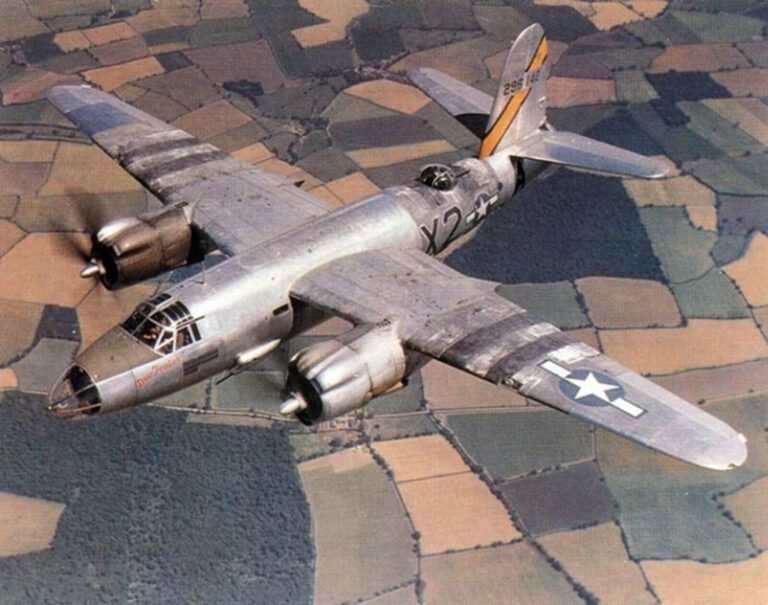
B-36 Peacemaker

B-36 Peacemaker

B-36 Peacemaker

They say ‘big things come in small packages,’ but the B-36 Peacemaker’s not small. It’s a behemoth, dominating the skies during the Cold War. This article dives into the origins and design of this massive aircraft, its key missions, and its role in shaping history.

B-36 Peacemaker: Origins and Development

In the early 1940s, the U.S. Air Force developed the B-36 Peacemaker, a strategic bomber that would become one of the most significant aircraft of the Cold War era. It was a technological marvel of its time, designed to deliver nuclear weapons from bases in the United States to European targets.

The B-36’s conception came as a response to the threat posed by the Axis powers during World War II. It was meant to be a ‘global bomber‘, capable of unrefueled, intercontinental flights. The bomber’s development, however, wasn’t without its hurdles. It faced multiple design changes, budget overruns, and political opposition. Despite these challenges, the Air Force remained committed to the project.

Unique Design Features of the B-36

The B-36 Peacemaker’s design stood out for its unique features. It was the largest piston-engine aircraft ever built, with a wingspan of 230 feet, giving it an airborne presence like no other. Its massive size was necessary to accommodate its internal bomb bay, which could carry an unprecedented payload of up to 86,000 pounds.

The B-36’s propulsion system was also groundbreaking. It was a hybrid, using both piston and jet engines. Six radial piston engines gave it economical long-range cruising, while four jet engines provided additional power for takeoff and combat situations. This combination made the B-36 a strategic bomber with an intercontinental range.

Lastly, the Peacemaker’s unparalleled payload capacity resulted from its unique design. Its bomb bay, larger than any other’s at the time, allowed it to carry a variety of nuclear and conventional bombs. This capability, combined with its range, made the B-36 a potent deterrent during the Cold War, embodying the concept of strategic bombing in its most extreme form.

B-36 Cockpit

Operational History and Notable Missions

During its operational history, it’s clear that the B-36 Peacemaker played a crucial role in several notable missions and strategic operations. Its most significant contribution was during the Cold War, where it served as America’s primary strategic bomber. From 1949 to 1959, the B-36 was the backbone of the Strategic Air Command (SAC), capable of delivering nuclear and conventional bombs deep into Soviet territory.

One of the Peacemaker’s notable missions was Operation Castle, a series of high-energy nuclear tests. The B-36 carried and dropped the massive ‘Castle Bravo’ hydrogen bomb, resulting in the largest nuclear explosion by the U.S.

Another mission, Operation Snow Flurry, saw the B-36 simulate bombing attacks to test America’s radar defenses.

However, not just the Peacemaker’s combat missions stand out. It also took part in the world’s first nonstop round-the-world flight, Operation Power Flite, in 1957. Five B-36s flew the 24,325-mile journey, proving the global reach of the U.S. bomber force.

Despite its retirement in 1959, the B-36 Peacemaker’s impact on strategic aviation remains significant.

Peacemaker’s Role in the Cold War

Serving as the primary strategic bomber for America, the B-36 Peacemaker profoundly influenced the course of the Cold War. Its immense size and long-range capabilities sent a clear message to the Soviet Union: America was prepared to defend its interests globally. The B-36’s ability to fly from the U.S. to any point in the USSR and return without refueling was a key advantage.

The Peacemaker’s nuclear payload capacity was a deterrent to Soviet aggression. The B-36, with its intercontinental range and nuclear capability, was America’s primary tool of deterrence during the early years of the Cold War. It symbolized U.S. strategic airpower, contributing to the balance of power between the two superpowers.

The B-36’s presence also played a pivotal role in developing the U.S. policy of containment, aiming to prevent the spread of communism. It’s the specter of its destructive power that helped to maintain a fragile peace.

The B-36 Peacemaker’s role during the Cold War wasn’t just about bombing missions. It was a potent symbol of American power and resolve, an airborne warning to the rest of the world.

Legacy and Impact of the B-36

The aircraft’s impressive range and payload capabilities set new standards for strategic bombing, influencing the design of subsequent bombers and shifting military strategy towards long-range airpower.

The Peacemaker also played a significant role in the development of deterrence theory, as its intercontinental range and nuclear capabilities made it a key player in the U.S.’s policy of mutual assured destruction. This doctrine, still relevant today, insists on maintaining a balance of power to prevent war.

Moreover, the B-36’s engineering advancements, such as its pressurized cabins and turboprop engines, paved the way for commercial aviation’s modern era. It also contributed to the rise of the U.S. as a dominant air power, influencing the country’s geopolitical standing and military doctrine.

Frequently Asked Questions

What Engines Were Used in the B-36 Peacemaker?

They were powered by six Pratt & Whitney R-4360 Wasp Major radial engines. Each engine had 28 cylinders and could produce 3,800 horsepower. It’s quite an engineering marvel!

How Many Crew Members Were Needed

The aircraft required a 15-member crew, including pilots, bombardiers, navigators, radio operators, flight engineers, and gunners. Each was critical in ensuring smooth operations during flight, bomb drops, and defensive maneuvers.

Any Commercial or Civilian Uses for the B-36 After Its Military Service Ended?

After its military service, there weren’t any commercial or civilian uses for this aircraft. It’s primarily been displayed in museums for historical education but hasn’t seen practical application in non-military settings.

Could the B-36 refuel in flight?

No, the B-26, officially known as the Martin B-26 Marauder, was not designed to refuel in flight. It was a medium bomber aircraft used during World War II and had no provisions for inflight refueling. Inflight refueling capabilities became more widespread in military aircraft during the 1950s and 1960s.

Maintaining this colossal bomber was challenging. It required frequent inspections due to its complexity. Engine overheating and corrosion were common issues, and the aircraft’s sheer size made regular upkeep an exhaustive, time-consuming process.

Conclusion

The B-36 Peacemaker was a true powerhouse of its era, an impressive feat of engineering that played a crucial role in the Cold War. Its unique design and robust performance set it apart. Although it’s no longer operating, its impact can’t be overstated. The B-36’s legacy continues to influence modern aviation and remains a powerful symbol of American military might and technological advancement.

B-47 Stratojet

B-47

“Unleash the power of the B-47: The ultimate aircraft for precision and speed.”

History and Development of the B-47 Bomber

The B-47 bomber, also known as the Stratojet, was a revolutionary aircraft that played a significant role in the history of aviation and military technology. Developed by the United States Air Force (USAF) in the early 1950s, the B-47 was the first swept-wing jet bomber to enter service. Its sleek design and advanced capabilities made it a formidable weapon during the Cold War and beyond.

The development of the B-47 began in the late 1940s, as the USAF sought to replace its aging fleet of propeller-driven bombers with a more modern and efficient aircraft. The project was led by Boeing, one of the world’s largest and most reputable aircraft manufacturers. The company’s engineers were tasked with creating a bomber that could fly at high speeds and altitudes while carrying a significant payload.

To achieve this, the B-47 was designed with a swept-wing configuration, which allowed for greater aerodynamic efficiency at high speeds. This design also reduced drag and increased the aircraft’s range, making it capable of flying long distances without refueling. The B-47 was also equipped with six jet engines, which gave it a top speed of over 600 miles per hour and a range of more than 3,000 miles.

The B-47’s development was not without its challenges. The engineers faced numerous technical issues, including engine failures and structural problems. However, with determination and perseverance, these issues were eventually resolved, and the B-47 was ready for its first flight in December 1947. The test flight was successful, and the B-47 was officially introduced into service in 1951.

The B-47 quickly became the backbone of the USAF’s strategic bomber fleet. Its speed and range made it an ideal aircraft for delivering nuclear weapons, a crucial aspect of the USAF’s Cold War strategy. The B-47 was also equipped with advanced electronic systems, including radar and navigation equipment, which allowed it to fly at night and in adverse weather conditions.

In addition to its military capabilities, the B-47 also played a significant role in the development of commercial aviation. The aircraft’s swept-wing design and advanced technology paved the way for future jetliners, such as the Boeing 707 and the Douglas DC-8. The B-47 also served as a testbed for new technologies, including in-flight refueling and supersonic flight.

Despite its success, the B-47 was not without its flaws. The aircraft had a high accident rate, with over 200 crashes during its service life. This was partly due to its complex design and the demands of flying at high speeds and altitudes. However, the B-47’s safety record improved over time as improvements were made to the aircraft and pilot training.

TECHNICAL NOTES (RB-47H):
Armament:
 Two 20 mm cannons in the tail
Maximum speed: 602 mph
Range: 3,935 miles (unrefueled)
Ceiling: 38,850 ft.

National Museum of the United States Air Force

The cost of the B-47 Stratojet, a strategic bomber aircraft used by the United States Air Force, varied depending on the specific variant and the year of procurement. According to historical records, the initial production model B-47A cost approximately $2.1 million per aircraft in the early 1950s. The cost increased as the aircraft went through different versions, such as the B-47B, B-47E, and B-47E-IV. The later variants had estimated costs ranging from $3.5 million in the mid-1950s to $5.4 million in the early 1960s. It’s important to note that these figures are adjusted for inflation, and the original nominal costs at the time were significantly lower.

The B-47 remained in service with the USAF until the late 1960s, when the more advanced B-52 Stratofortress gradually replaced it. However, the B-47’s legacy lived on, as it paved the way for future bomber designs and played a crucial role in shaping the USAF’s strategic capabilities.

Today, the B-47 is remembered as a groundbreaking aircraft that pushed the boundaries of aviation technology. Its sleek design and advanced capabilities set the standard for future bombers and helped to shape the modern military landscape. The B-47 will always hold a special place in the history of aviation and serve as a testament to the ingenuity and determination of the engineers and pilots who made it a reality.

B-47 Wing Formation

Notable Missions

The B-47 Stratojet was a strategic bomber that played a significant role in the Cold War. Developed by the United States Air Force in the early 1950s, the B-47 was the first swept-wing jet bomber to enter service. It was designed to fly at high altitudes and supersonic speeds, making it a formidable weapon in the nuclear arms race between the United States and the Soviet Union.

One of the most notable missions of the B-47 was its involvement in the Cuban Missile Crisis in 1962. During this tense standoff between the two superpowers, the B-47s were put on high alert and ready to strike immediately. These bombers were equipped with nuclear weapons and were prepared to carry out a devastating attack on Soviet targets if necessary. Fortunately, the crisis was resolved diplomatically, and the B-47s were not deployed. However, their presence and readiness were a powerful deterrent to the Soviet Union.

Aside from its role in the Cuban Missile Crisis, the B-47 also played a crucial role in the Strategic Air Command (SAC) during the Cold War. The SAC was responsible for maintaining a constant presence of nuclear-armed bombers in the air, ready to strike at any time. The B-47 was the backbone of this strategy, with its long-range capabilities and ability to carry nuclear weapons. These bombers were constantly alert, ready to take off immediately and fly to their targets.

In addition to its role in nuclear deterrence, the B-47 also played a significant role in reconnaissance missions during the Cold War. Equipped with cameras and other surveillance equipment, the B-47s could fly over Soviet territory and gather valuable intelligence. These missions were highly secretive and were crucial in providing the United States with information about Soviet military capabilities.

The B-47 also made significant contributions to the development of aerial refueling techniques. In the early days of the Cold War, the range of bombers was limited, and they could not reach their targets without refueling. The B-47 was one of the first bombers to be equipped with a refueling probe, allowing it to receive fuel from tanker aircraft in mid-air. This innovation significantly extended the range and capabilities of the B-47, making it an even more formidable weapon in the Cold War.

B47 Refueling

In conclusion, the B-47 Stratojet played a significant role in the Cold War as a nuclear deterrent and in various other missions. Its long-range capabilities, ability to carry nuclear weapons, and innovative aerial refueling techniques made it a formidable weapon in the hands of the United States Air Force. The B-47’s contributions to reconnaissance, conventional bombing, and humanitarian missions further solidify its place in history as one of the most iconic aircraft of the Cold War era.

B-47

Technological Advancements and Legacy of the B-47 Bomber

One of the most notable technological advancements of the B-47 was its swept-wing design. This innovative feature allowed the aircraft to fly at high speeds and altitudes, making it difficult for enemy radar to detect. The wings were also designed to reduce drag, increasing the aircraft’s range and fuel efficiency. This significantly improved from previous bombers, with straight wings and limited capabilities.

In addition to its advanced wing design, the B-47 also featured a revolutionary bomb bay that could carry nuclear weapons. This was a crucial development during the Cold War, as the B-47 was one of the first bombers capable of delivering atomic bombs to enemy targets. This capability gave the United States a significant advantage in the arms race and solidified the B-47’s role as a key player in the Cold War.

The B-47’s advanced technology also extended to its engines. The aircraft was powered by six General Electric J47 turbojet engines, the first axial-flow engines used in a bomber. These engines were more powerful and efficient than previous models, allowing the B-47 to reach up to 600 miles per hour. This was a remarkable feat at the time and contributed to the B-47’s success as a strategic bomber.

The B-47’s technological advancements were not limited to its design and engines. It also featured advanced electronic systems, including a sophisticated navigation and bombing system. This allowed the aircraft to accurately deliver its payload to designated targets, even in adverse weather conditions. The B-47 was also equipped with electronic countermeasures to defend against enemy radar and missiles, making it a highly capable and versatile aircraft.

The B-47’s legacy extends beyond its technological advancements. It played a crucial role in shaping the tactics and strategies of the United States Air Force during the Cold War. Its ability to fly at high speeds and altitudes and its nuclear capabilities made it a vital component of the United States deterrence strategy. The B-47 also paved the way for future bomber designs, such as the B-52 Stratofortress, which incorporated many advanced features.

Despite its impressive technological advancements, the B-47 faced challenges and setbacks. Its complex design and advanced systems required a high level of maintenance and training, which proved to be costly and time-consuming. The aircraft also faced competition from other bombers, such as the B-52, which eventually replaced the B-47 as the primary strategic bomber of the United States Air Force.

In conclusion, the B-47 bomber was a groundbreaking aircraft that pushed the boundaries of aviation and military technology. Its swept-wing design, nuclear capabilities, and advanced electronic systems made it a formidable weapon during the Cold War. Its legacy continues to influence modern aircraft design, and its impact on the history of aviation and military technology cannot be overstated. The B-47 will always be remembered as a symbol of innovation and progress in aviation.

Frequently Asked Questions

How fast could the B-47 bomber fly?

The B-47 bomber had a maximum speed of approximately 607 miles per hour (977 km/h), making it one of the fastest bombers of its time.

How many crew members operated the B-47 bomber?

The B-47 had three crew members: a pilot, a copilot, and a navigator. The pilot and copilot sat in the cockpit while the navigator operated from a separate compartment.

What was the payload capacity of the B-47 bomber?

The B-47 had a maximum bomb load capacity of approximately 25,000 pounds (11,340 kg). This allowed it to carry a variety of conventional or nuclear weapons.

What was the range of the B-47 bomber?

The B-47 had a combat radius of around 2,000 miles (3,200 km) without aerial refueling. However, with the assistance of aerial refueling, it could cover much longer distances.

How long was the operational lifespan of the B-47 bomber?

The B-47 entered service in the United States Air Force (USAF) in 1951 and remained on active duty until 1969. It served as a strategic bomber during the Cold War period and was eventually replaced by the more advanced B-52 Stratofortress

B-52 Stratofortress

B-52 copy

“Unleash the power of the skies with the B-52 Stratofortress – the ultimate bomber aircraft.”

Introduction

The B-52 Stratofortress is a long-range, heavy bomber aircraft that has been in service with the United States Air Force since the 1950s. It is known for its iconic design, with a distinctive swept-wing and eight engines, and has played a crucial role in various military operations and conflicts. With its ability to carry many weapons and travel long distances, the B-52 has proven to be a versatile and reliable aircraft, earning its place as a symbol of American military power. In this introduction, we will explore the history and capabilities of the B-52 Stratofortress.

B-52 inflight

History and Evolution of the B-52 Stratofortress


The B-52 Stratofortress is a long-range, heavy bomber aircraft that has been a staple of the United States Air Force since its introduction in the 1950s. With its distinctive swept-wing design and powerful engines, the B-52 has played a crucial role in shaping the history of aerial warfare.

The origins of the B-52 can be traced back to the early 1940s when the United States Army Air Forces (USAAF) began to explore the concept of a long-range, high-altitude bomber. This was in response to the growing threat of Soviet air power and the need for a strategic deterrent. In 1946, the USAAF issued a request for proposals for a new bomber, which would eventually lead to the development of the B-52.

The prototype of the B-52, known as the YB-52, took its maiden flight in April 1952. It was a massive aircraft, measuring over 150 feet long and weighing over 200,000 pounds. The YB-52 was powered by eight Pratt & Whitney J57 turbojet engines, which gave it a top speed of over 600 miles per hour and a range of over 8,000 miles. This impressive performance made the B-52 a formidable weapon in the US arsenal.

The B-52 entered service with the US Air Force in 1955, quickly becoming a symbol of American military might. Its ability to carry various nuclear and conventional weapons made it a versatile and powerful tool in the Cold War. During this time, the B-52 underwent several upgrades and modifications, including adding in-flight refueling capabilities and improved avionics systems.

In the 1960s, the B-52 was also used extensively in the Vietnam War. Its long-range capabilities allowed it to conduct bombing missions deep into enemy territory, and its heavy payload capacity made it an effective weapon against ground targets. However, the B-52’s large size and lack of maneuverability made it vulnerable to enemy anti-aircraft fire, resulting in several losses during the conflict.

The B-52 was vital to the US Air Force’s strategic bomber fleet. In the 1980s, the B-52 underwent a major upgrade program, including installing new engines and avionics systems. This modernization effort extended the B-52’s service life and ensured its continued relevance in the ever-changing landscape of aerial warfare.

In the 1990s, the B-52 was again called into action in the Gulf War. Its ability to carry a large payload and conduct precision strikes made it a valuable asset in the coalition’s efforts to liberate Kuwait from Iraqi forces. The B-52’s role in this conflict solidified its reputation as a reliable and versatile aircraft.

In the years that followed, the B-52 continued to be used in various conflicts, including the wars in Afghanistan and Iraq. Its ability to adapt to changing mission requirements and its long-range capabilities made it an essential tool for the US military. In recent years, the B-52 has also been used for humanitarian aid missions, showcasing its versatility beyond its role as a bomber.

Today, over 60 years after its first flight, the B-52 remains a crucial part of the US Air Force’s strategic bomber fleet. Its longevity and adaptability are a testament to its design and the continuous efforts to upgrade and modernize it. As technology advances, the B-52 will undoubtedly undergo further upgrades and modifications to ensure its relevance in the ever-evolving landscape of aerial warfare. The B-52 Stratofortress has stood the test of time and will continue to be a symbol of American military power for years.

USAF B-52 Stratofortress

Role and Impact of the B-52

The B-52 Stratofortress, also known as the “Buff” (Big Ugly Fat Fellow), is a long-range, heavy bomber aircraft that has been in service with the United States Air Force (USAF) since the 1950s. Despite its age, the B-52 remains a crucial component of the USAF’s arsenal and has played a significant role in modern warfare.

First introduced in 1955, the B-52 was designed to carry nuclear weapons and serve as a deterrent against the Soviet Union during the Cold War. However, with the changing nature of warfare, the B-52 has evolved to become a versatile and adaptable aircraft capable of carrying out a wide range of missions. From conventional bombing to intelligence gathering and even humanitarian aid, the B-52 has proven its worth time and time again.

One of the most significant roles of the B-52 in modern warfare is its ability to deliver precision strikes. With advanced technologies such as GPS-guided munitions and satellite communication systems, the B-52 can accurately hit targets from a safe distance. This capability has been crucial in the fight against terrorism, where the B-52 has been used to strike high-value targets in remote locations, minimizing collateral damage and reducing the risk to ground troops.

Moreover, the B-52’s long-range capabilities make it an ideal platform for conducting strategic bombing missions. With a range of over 8,000 miles, the B-52 can reach many parts of the world without refueling. This has been particularly useful in conflicts such as the Gulf War and the recent operations in Afghanistan and Iraq, where the B-52 has provided continuous air support for ground troops.

In addition to its combat roles, the B-52 has played a significant role in intelligence gathering. Equipped with advanced sensors and communication systems, the B-52 can collect and transmit valuable information to ground forces in real time. This has been crucial in providing situational awareness and aiding in decision-making on the battlefield.

The B-52 has also been a vital asset in humanitarian aid missions. In the aftermath of natural disasters, the B-52 has been used to deliver food, water, and medical supplies to affected areas. Its large payload and long-range capabilities make it an ideal platform for providing aid to remote and inaccessible locations.

Furthermore, the B-52 has significantly impacted modern warfare through its psychological effect. The sight and sound of a B-52 flying overhead can strike fear into the enemy’s hearts, demoralizing them and weakening their resolve. This has been evident in conflicts such as the Vietnam War, where the B-52’s presence alone was enough to deter enemy forces.

Despite its age, the B-52 remains a crucial component of the USAF’s arsenal, and its impact on modern warfare cannot be overstated. Its versatility, long-range capabilities, and advanced technologies have made it a formidable weapon in the hands of the USAF. However, the B-52’s role in modern warfare has its challenges.

One of the main challenges facing the B-52 is its aging airframe. Maintenance and upgrades are becoming increasingly costly, with some aircraft over 60 years old. The USAF has been working on modernization efforts to keep the B-52 relevant and effective in modern warfare. These efforts include upgrading the aircraft’s engines, avionics, and weapons systems and extending its service life.

In conclusion, the B-52 Stratofortress has played a significant role in modern warfare and is a crucial asset for the USAF. Its versatility, long-range capabilities, and advanced technologies have made it a formidable weapon in various missions. However, with the changing nature of warfare, the B-52 will need to continue to evolve and adapt to remain a relevant and practical aircraft.

B-52 copy

Capabilities of the B-52 Stratofortress

It is a symbol of American military power and has played a crucial role in various conflicts and missions worldwide. With its impressive technical specifications and capabilities, the B-52 has proven to be a reliable and versatile aircraft that continues to serve the USAF.

One of the most notable features of the B-52 is its size. It has a wingspan of 185 feet and a length of 159 feet, making it one of the largest aircraft in the world. Its size allows it to carry a significant amount of weapons and fuel, giving it a long range and the ability to stay in the air for extended periods. The B-52 can reach a maximum speed of 650 miles per hour and has a range of over 8,800 miles without refueling.

The B-52 is powered by eight Pratt & Whitney TF33-P-3/103 turbofan engines, each producing 17,000 pounds of thrust. These engines give the B-52 the ability to carry a maximum payload of 70,000 pounds, which can include a variety of conventional and nuclear weapons. The aircraft has 12 hardpoints, allowing it to carry many weapons, including bombs, missiles, and mines.

In addition to its impressive payload capacity, the B-52 also has advanced avionics and navigation systems. It has a radar system can detect and track targets from long distances. The B-52 also has an inertial navigation system and a global positioning system (GPS), providing accurate navigation and targeting capabilities.

The B-52 has been continuously upgraded and modernized to keep up with changing technologies and threats. One of the most significant upgrades was the addition of the Conventional Rotary Launcher (CRL) in the 1980s. The CRL allows the B-52 to carry and release a variety of precision-guided munitions, significantly increasing its effectiveness in modern warfare.

Another notable upgrade was the installation of the Sniper Advanced Targeting Pod (ATP) in the early 2000s. The ATP is a precision targeting system that provides real-time video and infrared imagery to the B-52’s crew, allowing them to identify and engage targets more accurately.

The B-52 also can conduct electronic warfare (EW) missions. It has electronic countermeasures (ECM) systems that can jam enemy radar and communications and chaff and flare dispensers to confuse and evade incoming missiles.

Despite its age, the B-52 remains a vital asset for the USAF. Its long range and large payload capacity make it an ideal platform for conducting strategic bombing missions. It has been used in various conflicts, including the Vietnam War, the Gulf War, and, more recently, the fight against ISIS in the Middle East.

In addition to its combat capabilities, the B-52 also serves as a platform for testing and developing new weapons and technologies. Its versatility and reliability make it an ideal choice for conducting research and development missions.

Conclusion

In conclusion, the B-52 Stratofortress is a legendary aircraft that has played a crucial role in military operations for over six decades. Its long-range capabilities, heavy payload capacity, and adaptability have made it a valuable asset for the United States Air Force and its allies. Despite being an older aircraft, the B-52 continues to undergo upgrades and modernization efforts, ensuring its relevance and effectiveness in modern warfare. Its iconic design and impressive track record have solidified its place in aviation history and remain a symbol of American military power.

How much did the B-52 cost?

The cost of the B-52 Stratofortress bomber varies depending on the specific model and any additional modifications or upgrades. The initial production of B-52A had an estimated cost of around $14 million in the 1950s. The newer B-52H, the current active service variant, has an estimated unit cost of approximately $84 million as of 2010. However, it’s important to note that these prices may not reflect the total cost of development, research, and production for the aircraft.

How many crew members were on the B-52?

The B-52 Stratofortress bomber typically had a crew of six members. These crew positions included the aircraft commander, co-pilot, radar navigator, navigator, electronic warfare officer, and tail gunner. However, the specific number of crew members could vary depending on the mission and modifications made to the aircraft.

How fast was the B-52?

The B-52 Stratofortress, a long-range subsonic strategic bomber, has a maximum speed of approximately 650 miles per hour (Mach 0.86) at high altitudes. It can sustain a cruising speed of around 525 miles per hour (Mach 0.77).

How high could the B-52 fly?

The B-52 Stratofortress, a long-range strategic bomber, has a maximum altitude of approximately 50,000 feet (15,240 meters). However, during operational missions, it typically cruises at much lower altitudes, around 40,000 feet (12,192 meters), to optimize efficiency and reduce exposure to potential threats.

How many bombs could the B-52 carry?

The B-52 Stratofortress bomber is capable of carrying a variety of ordnance, including bombs. The B-52 has a maximum internal payload capacity of approximately 70,000 pounds (31,500 kilograms). The exact number of bombs it can carry depends on their size and weight.

How many nuclear weapons can the B-52 carry?

The B-52 Stratofortress can carry various types of weapons, including nuclear weapons. Originally designed to have atomic bombs during the Cold War, it can carry up to 20 nuclear gravity bombs. However, it’s important to note that treaties, international agreements, and specific mission requirements can limit the number of atomic weapons an aircraft carries. Additionally, details regarding current operational capacities and weapon load-outs of particular aircraft may be classified information.

How many B-52s have been built?

As of 2021, 2,042 B-52 Stratofortress aircraft have been built by the American aerospace company Boeing. The first B-52 was delivered to the United States Air Force (USAF) in 1955, and production continued until 1962. However, the B-52 has undergone numerous upgrades and modernizations, allowing it to continue serving in the USAF fleet.